
Why Maintaining Your Downspout Lines Matters

CALL (206) 789-4944
Serving the Greater Seattle Area
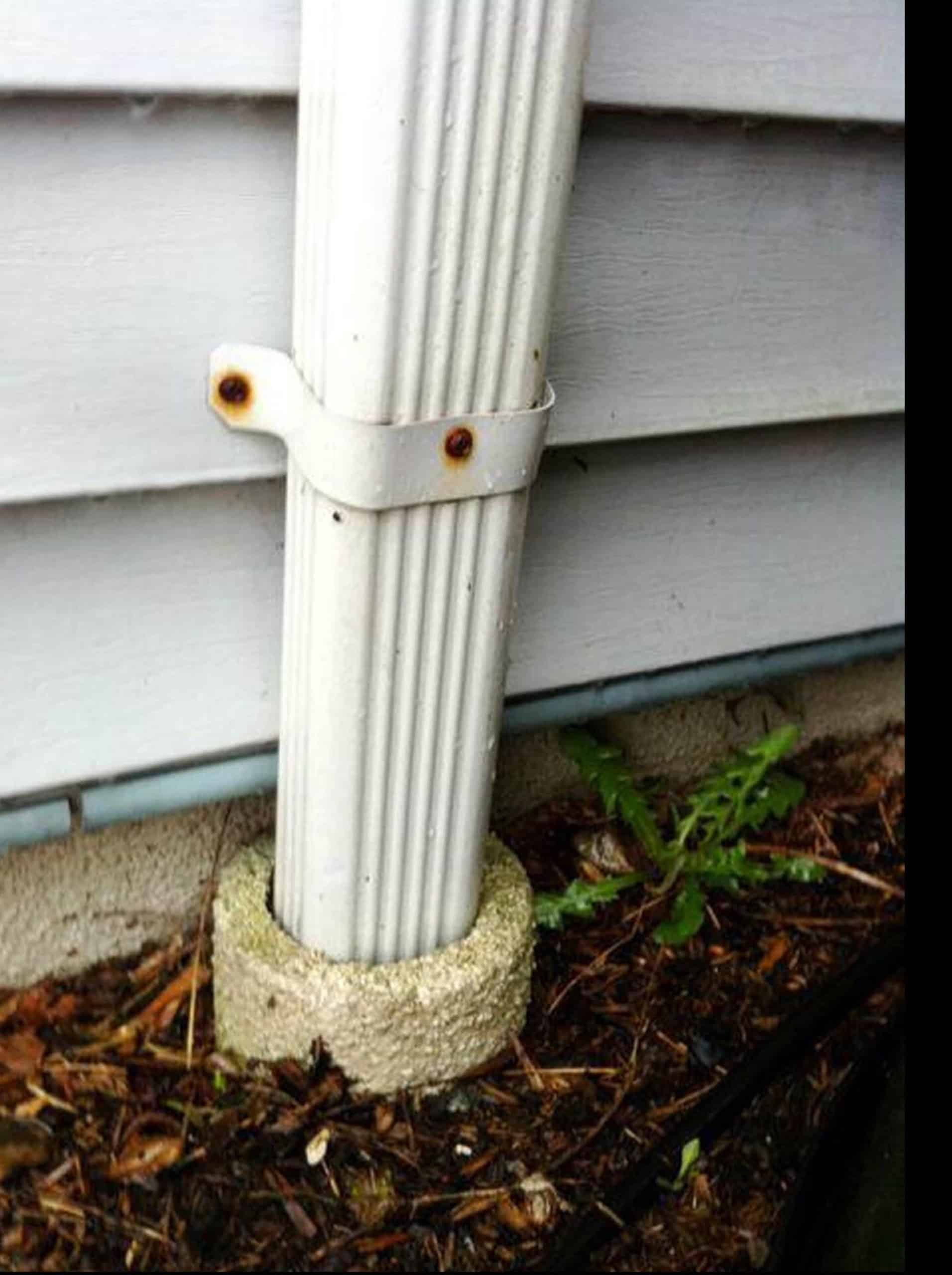
If you live within the Greater Seattle area, you know rain isn’t seasonal — it’s a way of life. While most homeowners remember to clean their roof gutters and downspouts, many forget about what happens after the water leaves the roof.
That’s where downspout lines come in — especially after a Seattle winter.
At Bob Oates Plumbing, Sewer & Rooter, we see it every year: small winter drainage issues quietly turning into expensive spring repairs. The good news? Most of it is preventable with routine maintenance and early attention.
What Winter Does to Your Downspout Lines
Seattle winters are tough on drainage systems. Between steady rainfall, falling leaves, roof grit, and occasional freezing temperatures, your downspout lines work overtime.
Seattle averages almost 40 inches of rainfall annually, with the majority falling between October and April.
That’s months of constant flow moving through underground pipes. Here’s what can happen below the surface:
Debris Buildup
Leaves, pine needles, roof granules, and sediment wash down and collect inside the line. Over time, that debris compacts, restricting water flow and creating partial blockages — the early stages of a clogged downspout.
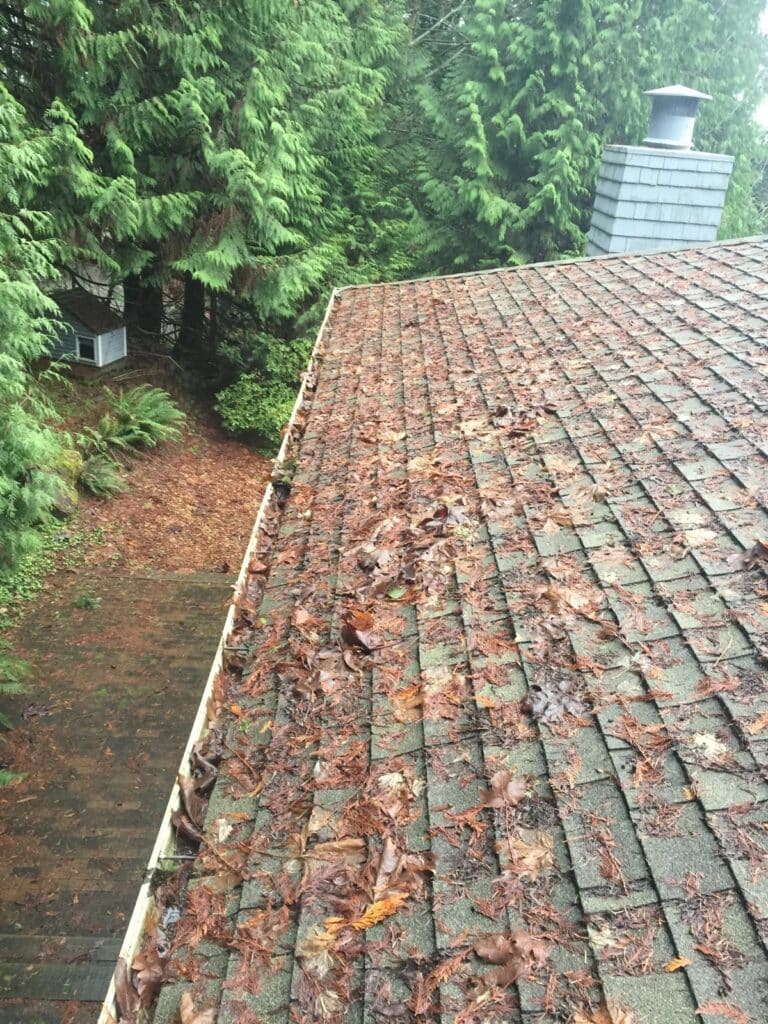
Wet leaves and roof debris collect in gutters during Seattle’s rainy season, often leading to clogged downspout lines.
Standing Water
When water can’t drain properly, it lingers inside the pipe. During freezing temperatures, that trapped water expands, which can stress or weaken sections of pipe.
Backups and Pooling
When water can’t move away from your home, it shows up somewhere. You may notice:
-
Pooling near the foundation
-
Soggy landscaping
-
Gutters overflowing despite being clean
-
Water bubbling at the downspout cleanout or outlet
These are early warning signs — and catching them early matters. (For more detail, see our informative post: Why Do My Drains Back Up When It Rains?)
Shifting or Cracking
Our saturated Pacific Northwest soil expands and shifts throughout winter. Combined with freeze-thaw cycles, that movement can cause underground pipes to separate, crack, or settle unevenly.
Because many Seattle neighborhoods operate on a combined sewer system, stormwater and household wastewater frequently share the same side sewer line. When those lines become restricted by debris, settling, cracks, or root growth, intense rainfall can exceed the pipe’s capacity.
The result isn’t just outdoor pooling — in some cases, it can lead to water backing up through the lowest plumbing fixtures inside the home, such as basement drains or showers.

A sewer line failure is often visible as a lush green stripe cutting through an otherwise brown yard.
Why Cleaning Before Spring Is So Important
Spring in Seattle doesn’t mean dry weather. In fact, early spring storms can be intense. If your downspout line is already partially clogged from winter debris, a heavy rain event can quickly overwhelm the system.
Cleaning your downspout lines before peak spring rainfall:
-
Helps prevent water damage to your foundation
-
Reduces the risk of crawl space or basement flooding
-
Protects landscaping from erosion
-
Extends the life of your drainage system
-
Provides peace of mind before the next storm cycle
Think of it as a seasonal reset for your home’s drainage infrastructure.
Seattle Public Utilities also emphasizes proper stormwater drainage around homes to reduce localized flooding risks. Preventative maintenance is far less expensive than structural repairs.
Signs Your Downspout Lines May Need Attention
Not sure whether yours needs cleaning or inspection? Watch for:
-
Water bubbling up near the end of the downspout
-
Persistent puddles close to the home
-
Overflowing gutters even when cleared
-
Slow drainage during moderate rainfall
-
Soil erosion beneath the outlet
If you’re already seeing these symptoms, professional drain cleaning or rooter service will help restore proper flow.
Don’t Wait Until It Becomes a Bigger Problem
A small blockage today can turn into foundation damage tomorrow.
Water management around your home isn’t just about convenience — it protects structural integrity, landscaping, and long-term property value. Taking care of your downspout lines now can save you thousands in repairs later.
If you’re in the Seattle area and want to make sure your drainage system is ready for spring, schedule a visit with our team!
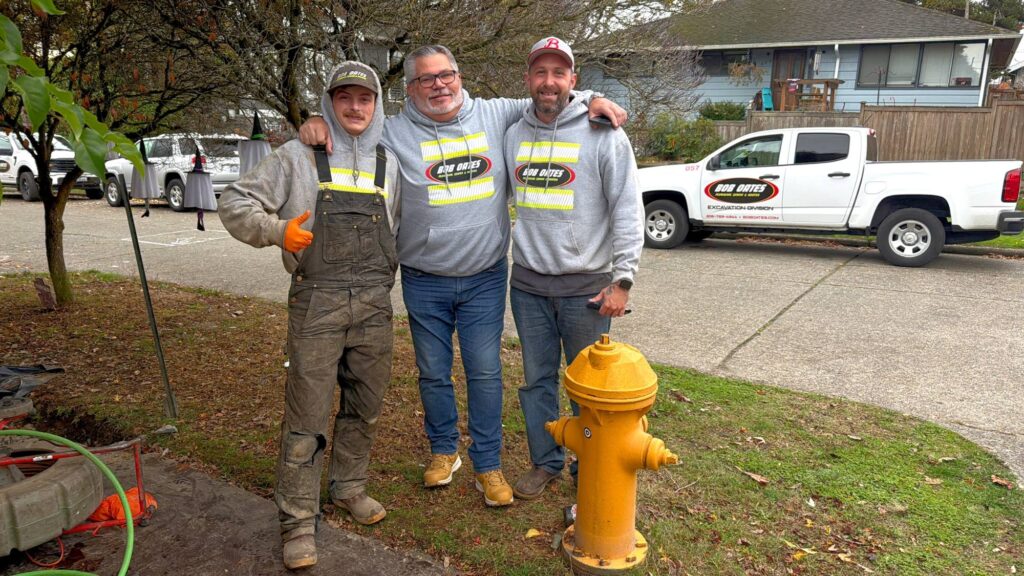
Another job completed successfully by the Bob Oates plumbing and sewer team.
We offer free estimates when we come out and assess the situation. Whether it’s routine cleaning or a sewer camera inspection to properly identify a larger concern, we’re happy to answer your questions and help you stay ahead of costly water problems.
Stay dry out there — and let’s keep that water moving where it belongs.
Frequently Asked Questions
How often should downspout lines be cleaned in Seattle?
In the Seattle area, it is smart to inspect or clean downspout lines at least once per year, especially after fall and winter when heavy rain and debris buildup are most common.
Can clogged downspout lines cause basement backups?
Yes. In many Seattle neighborhoods, downspouts connect to a combined sewer system. If the shared line becomes clogged, heavy rain can force water back through basement drains or showers.
What are signs of a clogged downspout or downspout blockage?
Water bubbling at the outlet, pooling near your foundation, overflowing gutters, and slow drainage during rain are common warning signs.
When is the best time to service downspout lines?
Late winter or early spring is ideal — before peak spring rainfall puts additional stress on the system.


Rated 5 Stars by Johanna G.
via Yelp.com
"Nothing but great experiences with Bob Oates! Would highly recommend for all your sewer and plumbing needs! Honest, hard working company!"

Proud Member of BOMA
CALL (206) 789-4944
Serving the Greater Seattle Area