
5 Tips to Avoid a Major Sewer Repair Bill in The Future

CALL (206) 789-4944
Serving the Greater Seattle Area
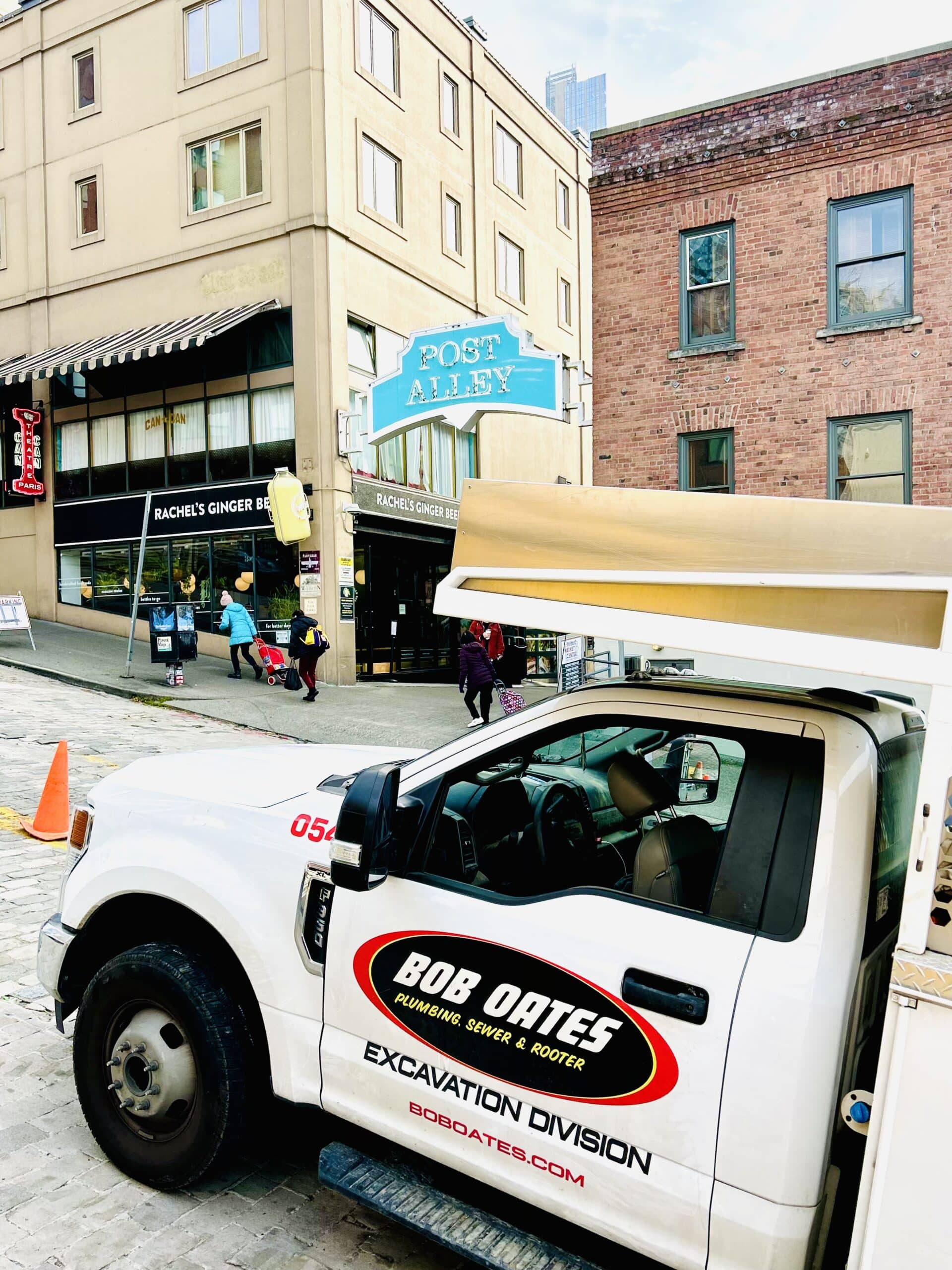
A major sewer line problem can be one of the more disruptive repairs a homeowner encounters. While not every sewer issue can be prevented — aging pipes, shifting soil, tree root invasion, and other conditions can develop regardless of how carefully you maintain your plumbing — good everyday habits can make a real difference.
Many drain and sewer problems begin small. Grease gradually accumulates inside a pipe. Items that should have gone into the trash get flushed down a toilet. A recurring slow drain gets ignored until it becomes a complete blockage.
The good news is that homeowners can help reduce unnecessary stress on their plumbing and sewer systems with a few simple habits.
Here are five practical DIY tips from Bob Oates Plumbing, Sewer & Rooter for protecting your drains and sewer line, along with some guidance on when a problem is better left to a professional.
1. Keep Grease, Fats, and Oils Out of Your Drains
One of the easiest ways to protect your kitchen plumbing is also one of the simplest: don’t pour cooking grease, fats, or oils down the drain.
Hot grease may look harmless when it’s liquid, but it can cool and solidify farther down your plumbing. Over time, grease can coat the inside of pipes and combine with food particles and other debris, restricting water flow and contributing to stubborn drain and sewer clogs.
Running hot water after pouring grease into the sink doesn’t solve the underlying problem. The grease simply travels farther through the plumbing before cooling.
What Should You Do With Cooking Grease?
Instead:
- Allow grease or cooking oil to cool.
- Pour or scrape it into an appropriate disposable container.
- Wipe greasy pans and dishes with a paper towel before washing them.
- Put grease and oily food residue in the trash rather than washing it down the sink.
Small amounts of residue will inevitably reach a kitchen drain during normal use. The goal isn’t perfection — it’s preventing larger amounts of grease and oil from repeatedly entering your plumbing.
If your kitchen sink is already draining slowly, don’t assume adding drain cleaner chemicals will solve the problem. A persistent slow drain may indicate buildup that needs to be physically removed.
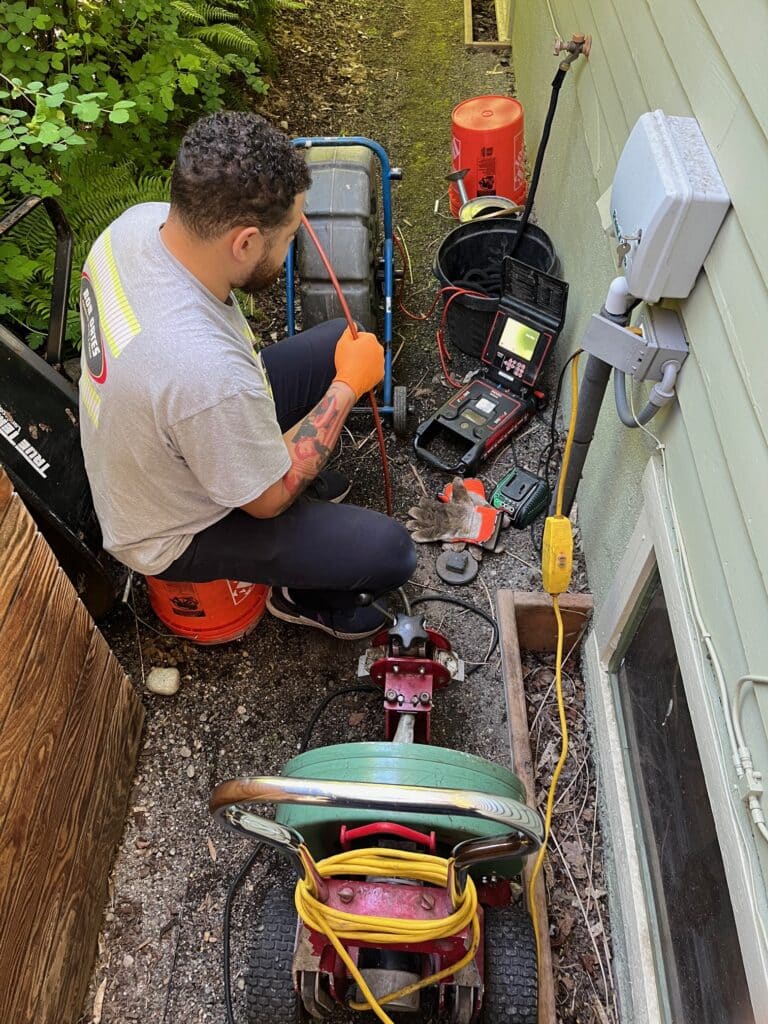
A Bob Oates technician monitors a live sewer camera feed while inspecting underground drain lines.
2. Remember: Your Toilet Isn’t a Trash Can
Toilets are designed to handle two basic things: human waste and toilet paper.
That’s a good rule to remember even when a product is marketed as “flushable.”
Wipes and other materials don’t necessarily break apart inside your plumbing the way toilet paper does. They can become caught in a drain or sewer line and combine with other debris to create a larger blockage.
Avoid flushing items such as:
- Baby and personal wipes
- Paper towels and tissues
- Feminine hygiene products
- Cotton swabs and cotton balls
- Dental floss
- Diapers
- Hair
- Food
- Household trash
A toilet clog immediately after something inappropriate has been flushed may be relatively easy to identify. The more troublesome situation occurs when material travels farther into the plumbing and contributes to a blockage elsewhere in the system.
What About a Simple Toilet Clog?
For an ordinary toilet clog, a properly sized toilet plunger is usually the safest first DIY step. What’s the proper method? Glad you asked! Here’s exactly how: Toilet Talk With Bob — Plunging 101.
If plunging doesn’t work, don’t keep escalating to increasingly aggressive homemade methods or pour chemical drain cleaner into the toilet. A stubborn clog, repeated toilet backups, or problems affecting multiple fixtures can point to an obstruction farther down the drain or sewer system.
That’s when it’s time to find out what is actually causing the problem.
3. Be Careful About What You Use to Clean Your Drains
There’s an entire aisle of products promising an easy solution to clogged drains. That doesn’t mean they’re all good choices for your plumbing.
Strong chemical drain cleaners can cause problems, and repeatedly pouring chemicals into a drain isn’t a substitute for determining why the drain keeps clogging.
For routine maintenance, some homeowners choose biological or enzyme-based products designed to help break down organic material. If you use one, follow the manufacturer’s directions carefully and think of it as maintenance rather than a cure for a serious clog.
More importantly, pay attention to what your drains are telling you.
A drain that repeatedly slows down after being cleaned may have a larger underlying problem. Depending on the location, that could include accumulated debris, grease, roots, pipe damage, or another obstruction.
In those situations, continuing to pour products down the drain can delay identifying the actual cause.
4. Use the Right DIY Method for Minor Clogs — and Know When to Stop
There’s nothing wrong with trying to clear a simple household clog yourself. In fact, several low-risk DIY methods are worth trying before calling a plumber.
For a minor clog, depending on the fixture, you might start with:
- Removing visible hair or debris from the drain opening.
- Using a sink or toilet plunger appropriate for the fixture.
- Cleaning an accessible sink stopper or trap if you’re comfortable doing so.
- Carefully using a small manual drain snake on an appropriate drain.
The important part is knowing when DIY has stopped being the right solution.
Avoid forcing tools deep into plumbing when you aren’t sure where the blockage is located. And be especially cautious about mixing or repeatedly applying drain-cleaning chemicals.
Signs It’s Time to Stop DIY Drain Cleaning
Consider calling a professional if:
- The same drain keeps clogging.
- Several drains are slow at the same time.
- Water backs up into another fixture when you use a sink, shower, toilet, or washing machine.
- You hear persistent gurgling from drains or toilets.
- Sewage or wastewater is backing up.
- You notice recurring sewer odors.
- A clog returns shortly after you clear it.
One slow bathroom sink is often a localized plumbing problem. Several fixtures behaving strangely at once can be a warning sign of a larger drain or sewer-line issue.
Recognizing that difference can prevent a small problem from becoming a much messier one.
5. Don’t Wait for a Sewer Emergency to Investigate Warning Signs
Some sewer problems develop gradually and provide warning signs long before the line completely backs up.
That’s one reason a sewer camera inspection can be so useful. A small waterproof camera can be sent through the line to provide a direct look at its interior and help identify conditions such as:
- Tree root intrusion
- Cracks or damaged pipe
- Accumulated debris
- Offset or separated pipe sections
- Corrosion or deterioration
- Significant obstructions
An inspection doesn’t automatically mean you need a sewer repair. Quite the opposite: knowing what is happening inside the line can help determine whether anything needs to be done at all.
It can also help distinguish between a line that simply needs cleaning and one with a structural problem that requires repair.
A video inspection can be especially worthwhile if you’re experiencing recurring backups, purchasing an older home, noticing unexplained drain problems, or dealing with a property that has mature trees near the sewer line.
Quick Guide: DIY or Call a Professional?
| Plumbing Problem | DIY First Step | When to Call a Professional |
|---|---|---|
| Slow Sink or Shower Drain | Remove visible debris or try a plunger | Drain repeatedly slows or won’t clear |
| Simple Toilet Clog | Use a toilet plunger | Clog persists or toilet repeatedly backs up |
| Grease Buildup | Stop putting grease down the drain | Kitchen drain remains slow or repeatedly clogs |
| Multiple Slow Drains | Check for an obvious localized issue | Multiple fixtures are affected simultaneously |
| Recurring Sewer Odor | Check dry or unused drain traps | Odor persists or accompanies drainage problems |
| Sewage Backup | Don’t attempt routine DIY cleaning | Call a professional promptly |
| Suspected Sewer-Line Problem | Watch for additional warning signs | Consider a sewer camera inspection |
Small Plumbing Habits Can Prevent Bigger Problems
You can’t bypass every sewer repair. Pipes age. Tree roots find openings. Soil moves. Older sewer lines can eventually deteriorate.
But you can avoid putting unnecessary stress on your plumbing.
Keeping grease out of kitchen drains, flushing only appropriate materials, being selective about drain-cleaning products, handling minor clogs carefully, and responding to recurring warning signs can all help keep your plumbing working properly.
The larger lesson is simple: don’t ignore a plumbing problem that keeps coming back.
A recurring clog isn’t necessarily just another clog. Finding out why it’s happening is often more valuable than repeatedly treating the symptom.
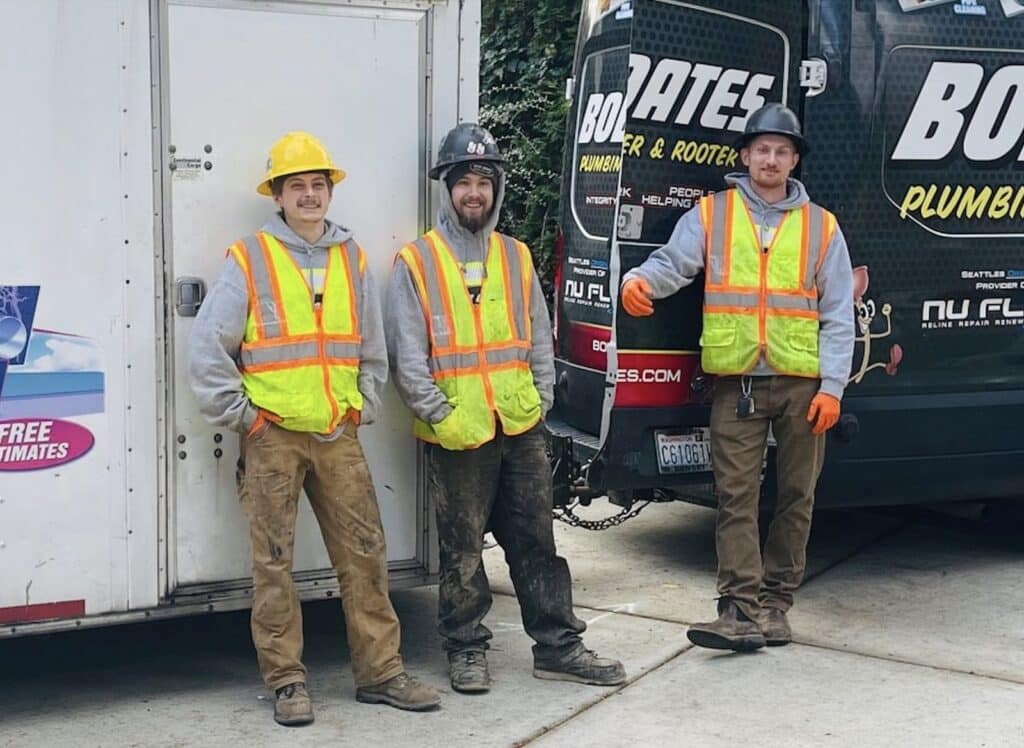
Delivering plumbing solutions with a smile! Bob Oates technicians on-site for a service call in Greater Seattle.
Need Help With a Recurring Drain or Sewer Problem?
Bob Oates Plumbing, Sewer & Rooter has served homeowners throughout the Greater Seattle area since 1991. Our team handles everything from professional drain cleaning and plumbing repairs to sewer camera inspections and sewer pipe relining.
If a DIY solution isn’t working — or you’re seeing signs that the problem may extend beyond a single fixture — we can inspect the system, identify the cause, and explain the available options. Give us a call or fill out our online form to schedule an appointment — the team at Bob Oates is here for you 24/7/365!


Rated 5 Stars by Johanna G.
via Yelp.com
"Nothing but great experiences with Bob Oates! Would highly recommend for all your sewer and plumbing needs! Honest, hard working company!"

Proud Member of BOMA
CALL (206) 789-4944
Serving the Greater Seattle Area