
DIY Drain Cleaning Tips to Try Before Calling a Plumber
CALL (206) 789-4944
Serving the Greater Seattle Area

A slow-draining sink or backed-up shower is one of the most common plumbing problems homeowners face. Fortunately, not every clogged drain requires an immediate service call. Many minor drain clogs can be improved with a few safe, do-it-yourself techniques using items you may already have at home.
The key is knowing which DIY drain cleaning methods are worth trying — and when it’s time to stop before accidentally making the problem worse.
In this guide, we’ll cover several safe ways to tackle a minor drain clog, explain how to help prevent future blockages, and discuss the warning signs that indicate it’s time to call a professional plumber.
For starters, here’s a straightforward self-help video with Bob using a simple drain snake (AKA “The Drain Thingie”) that shows you exactly what to do:
What Causes Household Drain Clogs?
Most drain clogs don’t happen overnight. They usually develop gradually as materials build up inside the pipe, restricting the flow of water.
Common causes include:
- Grease and cooking oils
- Soap scum
- Hair
- Toothpaste residue
- Food scraps
- Coffee grounds
- Mineral deposits
- Small foreign objects
- Tree root intrusion into sewer lines
Kitchen sinks often clog because grease and food particles stick to the inside of pipes. Bathroom drains typically collect hair, soap residue, and personal care products. In some cases, recurring clogs may actually point to a larger sewer line issue rather than a blockage in a single drain.
Fortunately, if the clog is minor, there are several safe DIY methods worth trying before calling a plumber.
Five Safe DIY Drain Cleaning Tips to Try First
1. Flush the Drain with Hot Tap Water
For slow kitchen drains caused by grease or soap buildup, one of the simplest solutions is often the most effective.
Run the hottest tap water available for several minutes. The heat can help soften grease and loosen minor buildup so it can continue flowing through the drain.
Tip: Hot tap water is generally safer than pouring boiling water directly into drains, especially in homes with older plumbing or PVC piping.
2. Use a Sink Plunger Correctly
A sink plunger works by creating pressure that can dislodge many common drain clogs.
For the best results:
- Remove the sink stopper.
- Fill the sink with enough water to cover the rubber cup.
- Cover any overflow opening with a wet rag.
- If using a double sink, block the second drain.
- Pump steadily several times while maintaining a tight seal.
Many simple sink and tub clogs clear surprisingly well with proper plunging.
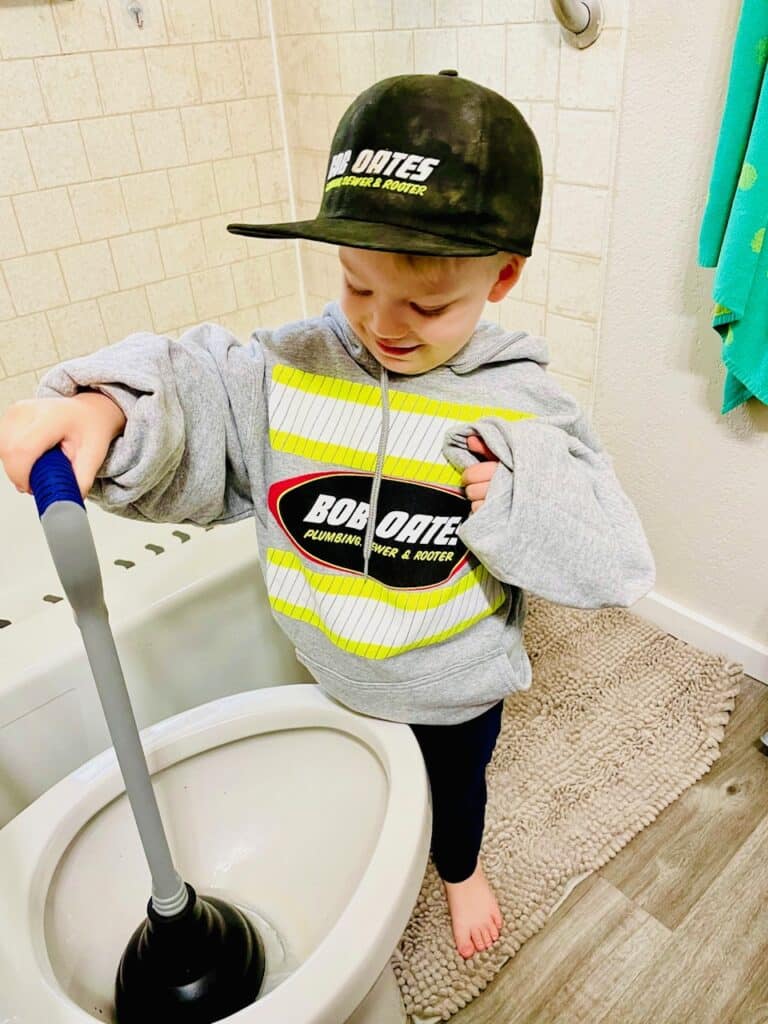
Starting young! One of our biggest (and smallest) fans learns how to use a plunger like a pro.
3. Try Baking Soda and Vinegar
This classic household combination can help loosen light organic buildup while reducing drain odors.
Try this method:
- Pour approximately ½ cup of baking soda into the drain.
- Follow with 1 cup of white vinegar.
- Allow the mixture to fizz for 10–15 minutes.
- Flush thoroughly with hot tap water.
While this method may help with minor buildup, it isn’t designed to clear severe blockages or tree root invasion in your sewer pipes.
4. Remove Visible Debris
Many bathroom sink and shower clogs occur near the drain opening.
After removing the drain stopper or screen, carefully pull out visible hair or debris using:
- A plastic drain cleaning tool
- Needle-nose pliers
- A small drain hook
Tip: Avoid forcing objects deep into the drain, which may compact the clog or damage plumbing components.
5. Use a Manual Drain Snake Carefully
If the clog remains, a small hand-operated drain snake (also called a drain auger) may help reach material located farther down the pipe.
Feed the cable slowly while turning gently.
- Don’t force it.
- Don’t continue pushing harder.
If you encounter solid resistance, remove the snake and consider calling a professional drain cleaning service. Forcing a drain snake can damage older pipes or push the blockage deeper into the plumbing system.
Drain Cleaning Tips to Help Prevent Future Clogs
Preventing clogs is usually much easier — and less expensive — than clearing them.
A few simple habits can help keep your drains flowing smoothly.
Use Drain Screens
Drain screens catch hair, food particles, and other debris before they enter your plumbing.
They’re inexpensive and one of the easiest ways to reduce drain problems.
Keep Grease Out of the Sink
Cooking grease may look harmless when it’s hot, but it hardens as it cools.
Instead of pouring grease down the drain — something you should never do to pipes — allow it to cool and dispose of it in the trash.
Scrape Food into the Garbage
Even homes with garbage disposals should avoid sending large amounts of food waste into the plumbing system.
Coffee grounds, rice, pasta, and fibrous vegetables can all contribute to future clogs.
Don’t Flush “Flushable” Wipes
Despite the label, many so-called flushable wipes don’t break down like toilet paper.
They are a common cause of sewer backups and plumbing service calls.
Clean Sink Stoppers Regularly
Bathroom sink stoppers often collect toothpaste, soap residue, and hair.
A quick cleaning every few weeks can prevent buildup before it becomes a clog.
Pay Attention to Slow Drains
One slow drain may simply need cleaning.
Several slow drains throughout the home, however, may indicate a larger plumbing or sewer problem that deserves professional attention.

A job well done! One of our techs giving the thumbs up after finishing a bathroom repair.
DIY Drain Cleaning: What to Try and What to Avoid
Use this quick comparison table to see which drain cleaning steps are generally safe to try — and which actions may make the problem worse:
| Try This | Avoid This |
|---|---|
| Flush the drain with hot tap water | Using chemical drain cleaners |
| Use a sink plunger with a proper seal | Pouring grease or cooking oil down the drain |
| Try baking soda and vinegar for minor buildup | Forcing a drain snake through heavy resistance |
| Carefully remove visible hair and debris near the drain opening | Flushing wipes, paper towels, or hygiene products |
| Install drain screens to catch hair and food particles | Ignoring slow or repeatedly clogged drains |
One item deserves special attention: chemical drain cleaners.
Although they’re heavily marketed, many drain cleaner chemicals use caustic ingredients that can be harsh on older plumbing systems. They also often fail to remove the actual cause of recurring clogs, especially if tree roots, grease buildup, or damaged pipes are involved.
We cover off-the-shelf cleaners in greater detail here: Is Drano Bad for Pipes?
When It’s Time to Call a Professional Plumber
DIY drain cleaning works well for many minor clogs.
However, certain warning signs suggest the blockage extends beyond what household tools can safely address.
Consider calling a professional if:
- Multiple drains are backing up.
- Water backs up into another fixture when using plumbing elsewhere.
- You notice sewer odors inside or outside your home.
- Your toilet bubbles or gurgles unexpectedly.
- The same drain repeatedly clogs.
- Standing water refuses to drain.
- DIY methods haven’t solved the problem.
In these cases, recurring drain problems are usually symptoms — not the actual problem.
Tree root intrusion, pipe damage, heavy grease accumulation, or aging sewer lines often require specialized equipment to diagnose and repair properly.
How Bob Oates Helps Solve Stubborn Drain Problems
When a clog goes beyond a simple DIY fix, professional equipment makes all the difference.
At Bob Oates Plumbing, Sewer & Rooter, our licensed technicians help homeowners identify the real cause of recurring drain problems — not just the symptoms.
As a Registered Side Sewer Contractor (RSSC), Bob Oates has the experience to determine whether a clog is limited to an interior drain or involves the sewer line serving your home.
Our goal is always to recommend the most effective solution — not simply the quickest one.
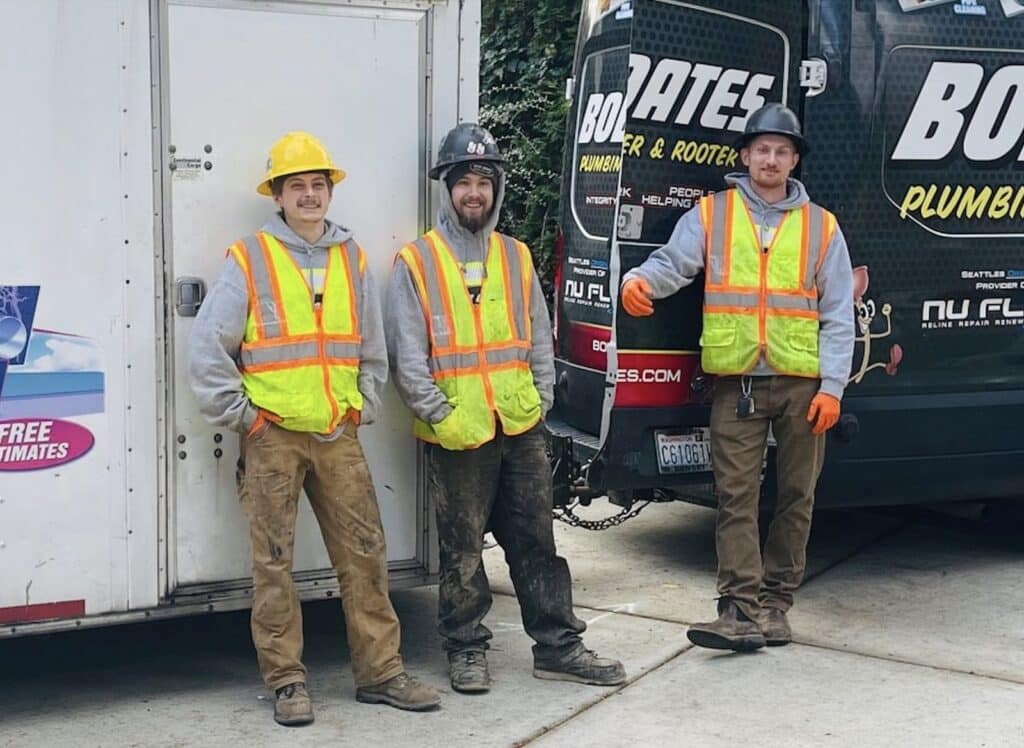
Delivering plumbing solutions with a smile! Bob Oates technicians on-site for a service call in Greater Seattle.
Our team provides professional drain cleaning, drain inspections, sewer camera inspections, and long-term solutions for difficult drain and sewer problems throughout the Greater Seattle area.
If DIY methods haven’t solved the issue — or you simply want the confidence of having your plumbing inspected by experienced professionals — we’re here to help.
Give our office a call or use our contact form to schedule a service or set up a no-hassle free estimate.
Frequently Asked Questions
Can baking soda and vinegar unclog a drain?
It can help loosen minor organic buildup and reduce odors, but it isn’t designed to remove severe blockages, tree roots, or heavy grease buildup.
Are chemical drain cleaners safe?
Most plumbers recommend avoiding chemical drain cleaners whenever possible. They may damage older plumbing materials and often fail to address the underlying cause of recurring clogs.
Why does my drain keep clogging?
Recurring clogs may indicate grease buildup, hair accumulation, damaged pipes, or a blockage deeper within the plumbing or sewer line. A professional drain inspection can identify the cause.
When should I call a plumber instead of trying DIY methods?
If multiple drains are affected, water backs up into other fixtures, sewer odors develop, or DIY methods don’t resolve the problem, it’s time to contact a professional.
Can tree roots cause drain clogs?
Yes. Tree roots commonly enter aging sewer pipes through small cracks or joints, eventually restricting flow and causing recurring backups.
What’s the difference between professional drain cleaning and a drain inspection?
Professional drain cleaning removes blockages, grease, sludge, and other buildup from the plumbing system. A drain inspection uses specialized camera equipment to identify the location and cause of a clog, helping determine whether the problem is limited to a household drain or involves the sewer line.
How can I help prevent future drain clogs?
Using drain screens, keeping grease and food scraps out of sinks, avoiding flushable wipes, and addressing slow drains early are some of the best ways to reduce future plumbing problems.
Further Reading


Rated 5 Stars by Johanna G.
via Yelp.com
"Nothing but great experiences with Bob Oates! Would highly recommend for all your sewer and plumbing needs! Honest, hard working company!"

Proud Member of BOMA
CALL (206) 789-4944
Serving the Greater Seattle Area