
How Trenchless Pipe Lining Came To Be (And Why It’s a Go-To Sewer Repair Solution Today)

CALL (206) 789-4944
Serving the Greater Seattle Area
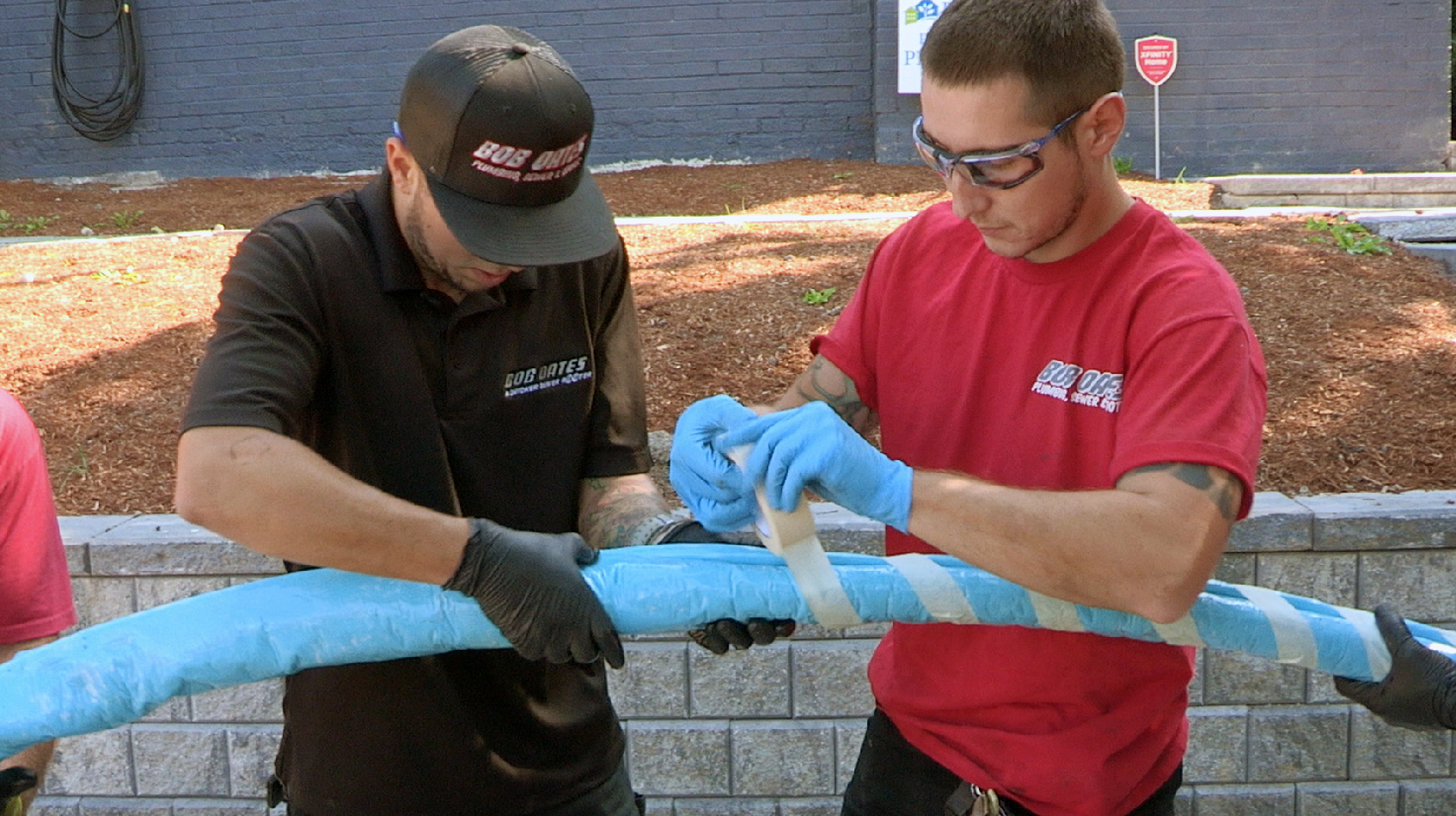
Sewer problems are something most homeowners don’t think about — until they’re dealing with a slow drains, backups, or worse. For decades, fixing a damaged sewer line meant one thing: digging. Lawns torn up, driveways broken apart, and days (or weeks) of disruption.
Today, there’s a better option.
Trenchless sewer repair — including trenchless pipe lining — has transformed how sewer lines are restored. What started as a simple idea in the 1970s has evolved into one of the most efficient, cost-effective, and least disruptive solutions available for homeowners across the Greater Seattle area.
At Bob Oates Plumbing, Sewer & Rooter, we’ve seen firsthand how trenchless technology has changed the game — helping homeowners fix serious sewer issues without the mess of traditional excavation.
The History of Trenchless Pipe Lining
The concept of trenchless pipe repair dates back to 1971, when British engineer Eric Wood developed the first version of what we now call pipe lining.
Faced with a leaking air duct above a mushroom farm, Wood created an innovative solution: a resin-saturated felt tube that could be inserted into the damaged pipe, inflated, and left to cure in place. Once hardened, it formed a new, seamless pipe within the old one.
That method became known as Cured-in-Place Pipe (CIPP), and it remains the foundation of modern trenchless sewer repair today. You can read more about the development of CIPP and trenchless technology in this overview from Wikipedia.
Over the decades, the process has been refined with stronger materials, faster curing methods (including UV light technology), and advanced robotic camera inspections. But the core idea remains the same: restore the pipe from the inside, without digging it up.
How Trenchless Pipe Lining Works Today
Modern trenchless pipe lining is a highly engineered process that allows technicians to repair damaged sewer lines through existing access points.
Here’s how it typically works:
-
Camera Inspection: A high-definition sewer camera identifies cracks, root intrusion, or collapsed sections
-
Pipe Cleaning: High-pressure water jetting clears debris and buildup
-
Liner Installation: A flexible liner coated with epoxy resin is inserted into the pipe
-
Curing Process: The liner is inflated and hardened using heat or UV light
Once cured, the liner forms a smooth, jointless pipe inside the original — resistant to roots, corrosion, and leaks.
In many cases, the entire process can be completed in a single day.

On this trenchless sewer repair job, Bob Oates techs installed 70 feet of 4-inch liner using blue light curing — restoring service in hours with no digging required. Traditional methods can take up to 48 hours and involve major excavation.
Why Trenchless Sewer Repair Has Become So Popular
If you’ve searched for terms like “trenchless sewer line repair,” “trenchless pipe repair,” or “trenchless sewer repair near me,” you’re not alone. More homeowners are turning to trenchless solutions because they solve the biggest problems associated with traditional sewer repair.
-
Minimal Disruption – No trenches, no torn-up landscaping
-
Faster Turnaround – Most jobs completed in one day
-
Long-Term Durability – Liners built to last 50+ years
-
Cost Efficiency – Avoids expensive restoration work
Common Sewer Problems Trenchless Repair Can Fix
Trenchless sewer pipe lining is highly versatile and can address many of the most common sewer line issues found in Seattle-area homes:
-
Cracked or broken clay pipes
-
Corroded cast iron lines
-
Recurring backups and slow drains
-
Minor pipe separations or leaks
Because many homes in the Greater Seattle area rely on older sewer systems, these issues are especially common — and often repairable without excavation.
When Trenchless Repair May Not Be the Right Option
While trenchless sewer repair works in many situations, it’s not always the best solution.
If a pipe is:
-
Completely collapsed
-
Severely misaligned
-
Missing sections entirely
Then a full replacement — sometimes using pipe bursting or traditional excavation — may be necessary.
A professional sewer camera inspection will determine the best approach.
Trenchless vs. Traditional Sewer Repair
Check out this comparison table that highlights the benefits of going trenchless:
| Feature | Trenchless Pipe Lining | Traditional Excavation Repair |
|---|---|---|
| Digging Required | No digging needed – uses existing access points | Requires trenching and heavy equipment to reach pipes |
| Project Timeline | Often completed in one day | Can take several days or weeks depending on scope |
| Property Damage | Minimal – landscaping and structures remain intact | Significant – may damage lawns, driveways, and sidewalks |
| Durability | Epoxy-lined pipe lasts 50+ years | New pipe should last decades, may still face corrosion or root issues |
| Environmental Impact | Low – no soil disruption or material waste | Higher – digging, debris, and disposal required |
| Total Cost | Lower – less labor and restoration required | Higher – includes excavation and property repair |
Why Seattle Homeowners Choose Bob Oates
Choosing the right company is just as important as choosing the right repair method.
At Bob Oates Plumbing, Sewer & Rooter, we’ve been serving the Greater Seattle area for over 30 years with trusted, professional sewer repair solutions — including advanced trenchless technology.
We are also a Registered Side Sewer Contractor in Washington State, which means we are fully licensed and authorized to perform side sewer repairs in compliance with local regulations, including permits required by the City of Seattle.
For homeowners, that matters. Side sewer work often involves coordination with local utilities and strict code requirements. Working with a qualified contractor helps ensure the job is done right.
Here’s what sets our team apart:
-
Licensed, in-house technicians (no subcontractors)
-
Registered Side Sewer Contractor in Washington State
-
Advanced trenchless pipe lining and pipe bursting technology
-
Fast response across Seattle and surrounding communities
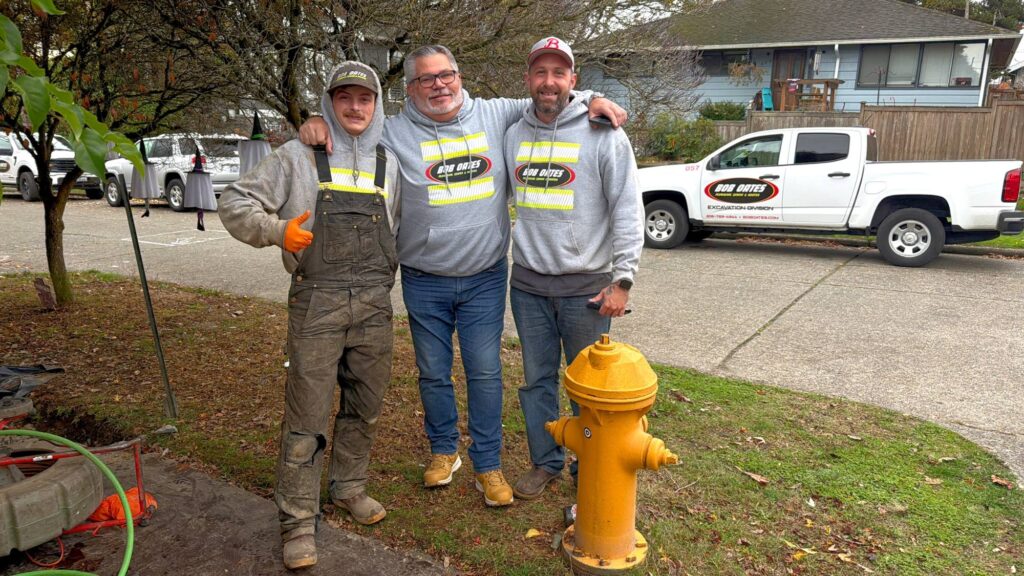
Another job completed successfully by the Bob Oates plumbing and sewer team.
Schedule a Sewer Inspection or Get a Second Opinion
If you’re experiencing sewer line issues — or simply want peace of mind — the best place to start is with a professional sewer camera inspection.
At Bob Oates, we’re proud to be known as the Home of the Second Opinion. If you’ve received a quote that doesn’t feel right, or you want to explore trenchless options before committing to excavation, our team will walk you through your options clearly and honestly.
A sewer camera inspection can quickly determine:
-
What’s happening inside your pipe
-
Whether trenchless repair is possible
-
What your most cost-effective solution looks like
No pressure. Just clear answers. Call or contact our office anytime — we look forward to serving you!
Frequently Asked Questions About Trenchless Pipe Lining
What is trenchless pipe lining?
Trenchless pipe lining is a method of repairing damaged sewer pipes by creating a new pipe inside the existing one using a resin-coated liner that hardens in place.
How long does trenchless sewer repair take?
Most trenchless sewer repairs can be completed in one day.
How long does pipe lining last?
A properly installed CIPP liner can last 50 years or more.
Is trenchless sewer repair available for Seattle side sewers?
Yes. Many side sewer repairs in Seattle can be completed using trenchless methods, depending on pipe condition and access.
Will trenchless repair damage my yard?
No — trenchless methods are designed to avoid excavation and preserve your landscaping.


Rated 5 Stars by Johanna G.
via Yelp.com
"Nothing but great experiences with Bob Oates! Would highly recommend for all your sewer and plumbing needs! Honest, hard working company!"

Proud Member of BOMA
CALL (206) 789-4944
Serving the Greater Seattle Area