
Is Pipe Lining a Long-Term Answer to Sewer Damage?

CALL (206) 789-4944
Serving the Greater Seattle Area
When homeowners learn about trenchless sewer repair, one of the first questions they often ask is whether sewer pipe lining is truly a long-term solution or simply a temporary fix.
Bob Oates Plumbing, Sewer & Rooter is here with the answer: Modern sewer pipe lining provides results that are comparable to traditional sewer replacement while requiring far less disruption to the property.
Using a process known as cured-in-place pipe (CIPP) lining, the technicians at Bob Oates can restore a damaged sewer line from within by creating a new pipe inside the existing one.
Bottom line: Sewer pipe lining can provide decades of reliable performance while helping homeowners avoid extensive excavation.
What Is Sewer Pipe Lining and How Does It Work?
Sewer pipe lining is a trenchless sewer repair method that restores a damaged sewer line from the inside. Rather than excavating and replacing the entire pipe, technicians create a new, seamless pipe within the existing sewer line.
The process begins with a high-resolution sewer camera inspection. Using a waterproof camera inserted through an existing cleanout or drain opening, technicians evaluate the condition of the sewer line, identify cracks, root intrusion, corrosion, offsets, or other defects, and determine whether pipe lining is an appropriate solution.
Once the pipe has been inspected, it is thoroughly cleaned using hydro jetting. High-pressure water jetting removes roots, debris, scale buildup, and other obstructions, creating a clean surface for the liner to bond against.
Next, a flexible felt liner saturated with epoxy resin is inserted into the existing sewer pipe. An inflation bladder is used to press the liner tightly against the interior walls of the host pipe, ensuring a precise fit throughout the length of the sewer line.
The liner is then cured using heat, hot air, or UV light technology. As the resin hardens, it forms a new structural pipe inside the original one.
After curing is complete, a final sewer camera inspection verifies that the liner is fully sealed, smooth, and structurally sound.
How Long Does Sewer Pipe Lining Last?
One of the biggest reasons homeowners choose sewer pipe lining is its long-term durability. While actual lifespan depends on factors such as installation quality, pipe conditions, and usage patterns, properly installed cured-in-place pipe (CIPP) liners are commonly projected to last 50 years or more.
Unlike many older sewer systems, a lined pipe does not rely on multiple joints and connections that can weaken over time. Instead, the cured liner forms a continuous structural pipe within the existing sewer line, helping reduce many of the vulnerabilities that contribute to recurring sewer problems.

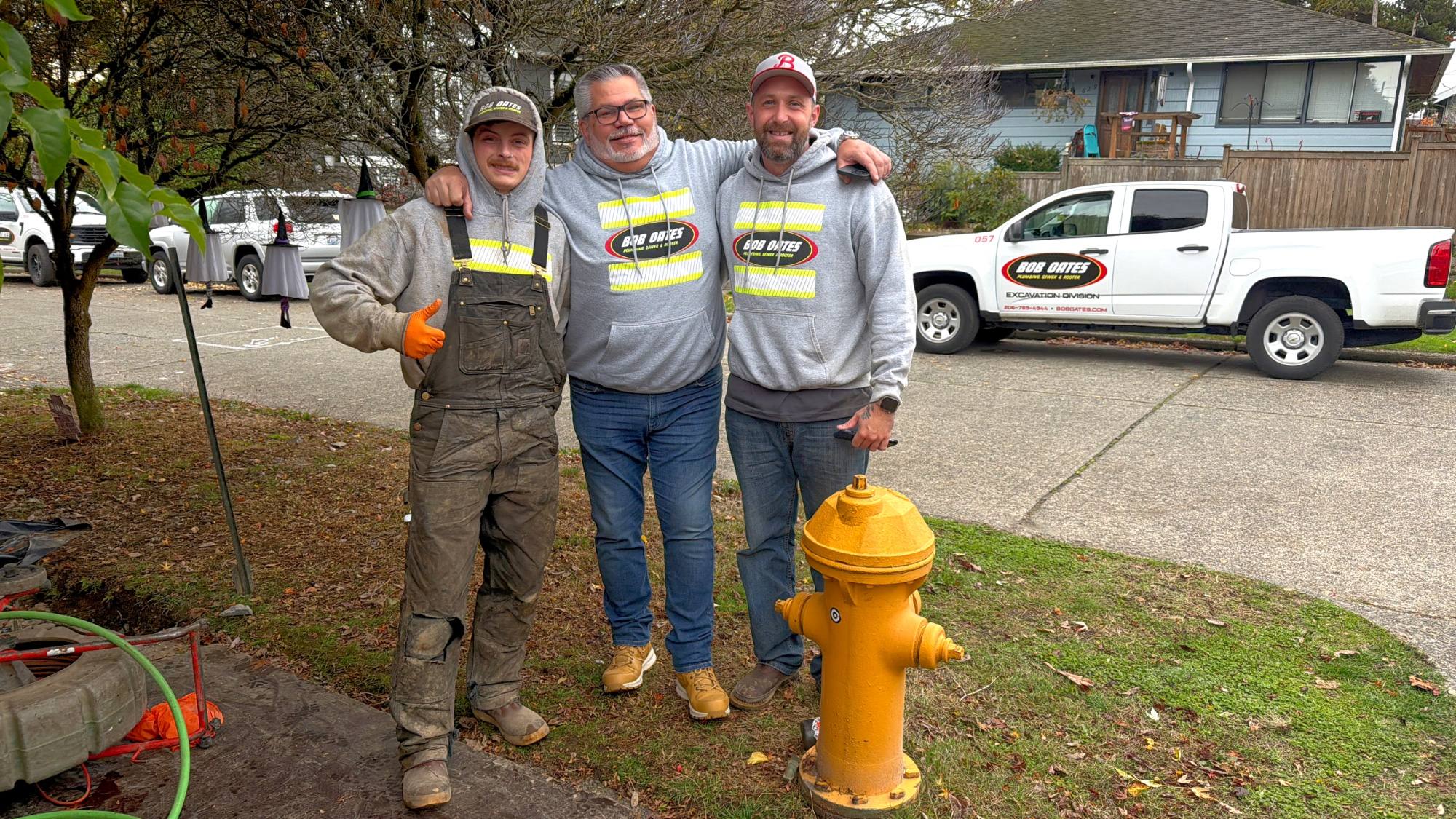
On this trenchless sewer repair job, Bob Oates techs installed 70 feet of 4-inch liner using blue light curing — restoring service in hours with no digging required. Traditional methods can take up to 48 hours and involve major excavation.
Why Pipe Lining Is More Than a Temporary Repair
Pipe lining does more than simply cover damaged areas inside a sewer pipe. Once cured, the liner becomes a durable new interior pipe that helps restore structural integrity while addressing many common causes of sewer failure.
The seamless construction helps seal cracks, small separations, and root entry points that often develop in aging sewer systems. It also creates a smooth interior surface that promotes efficient wastewater flow and may help reduce the buildup of debris that contributes to recurring drain backups.
Because the cured liner resists corrosion, root intrusion, and normal wear, pipe lining can provide a long-term solution for many sewer line problems without requiring extensive excavation. This combination of strength, durability, and preventive benefits is why trenchless sewer repair has become such a widely used solution throughout the Greater Seattle area.
When It May Not Be the Best Solution
Although going trenchless is highly effective for many sewer problems, it is not the ideal solution in every situation.
A pipe that has completely collapsed, suffered severe deformation, or contains significant offsets may require pipe bursting or traditional replacement instead.
A sewer camera inspection provides the information needed to determine whether pipe lining is an appropriate option.
Is Sewer Pipe Lining Worth It?
For many Seattle-area homeowners, the answer is yes.
Pipe lining can restore a damaged sewer line, seal cracks and root intrusion points, improve wastewater flow, and provide decades of service life — all while minimizing disruption to the property.
If you’re experiencing recurring sewer problems or have been told your sewer line may need repair, Bob Oates Plumbing, Sewer & Rooter can perform a professional sewer camera inspection and explain whether sewer pipe lining, pipe bursting, or another sewer repair solution is the best fit for your situation.
Give us a call or fill out our contact form anytime. The team at Bob Oates is here for you!
Our locally dispatched crews serve homes and businesses across King, Snohomish, and Pierce Counties, including:
- Ballard
- Bellevue
- Federal Way
- Fremont
- Greenwood
- Kent
- Lynnwood
- Magnolia
- Maple Leaf
- Phinney Ridge / Green Lake
- Queen Anne
- Renton
- Seattle
- Shoreline
- Tacoma
- Wallingford
- West Seattle
Frequently Asked Questions
How long does sewer pipe lining last?
Properly installed cured-in-place pipe (CIPP) liners are commonly projected to last 50 years or more. Actual lifespan depends on factors such as pipe conditions, installation quality, and normal usage.
Is sewer pipe lining considered a permanent repair?
While no sewer system lasts forever, pipe lining is generally considered a long-term structural repair rather than a temporary fix. The cured liner creates a durable new pipe within the existing sewer line.
Can pipe lining stop tree root intrusion?
Yes. Because pipe lining creates a seamless, jointless pipe, it seals many of the cracks and separations where tree roots commonly enter older sewer lines.
How do I know if my sewer line qualifies for pipe lining?
A professional sewer camera inspection is required to determine whether pipe lining is appropriate. Pipes with cracks, root intrusion, corrosion, and certain other defects are often good candidates, while severely collapsed or deformed pipes may require alternative repair methods.
Further Reading


Rated 5 Stars by Johanna G.
via Yelp.com
"Nothing but great experiences with Bob Oates! Would highly recommend for all your sewer and plumbing needs! Honest, hard working company!"

Proud Member of BOMA
CALL (206) 789-4944
Serving the Greater Seattle Area