
Top 5 Ways to Ruin Your Garbage Disposal (and What to Do Instead)

CALL (206) 789-4944
Serving the Greater Seattle Area
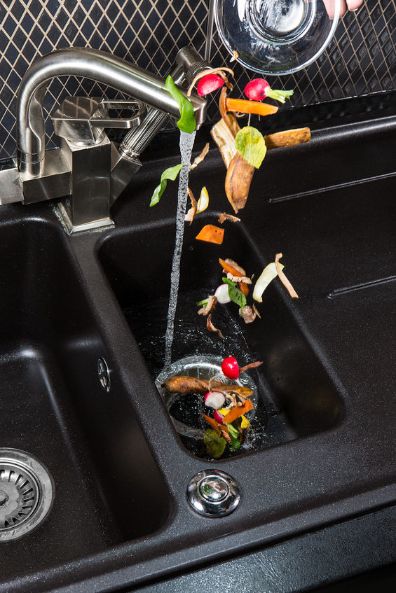
Your garbage disposal is a workhorse in the kitchen, tackling food scraps and keeping your sink clear. But it’s not indestructible. Many common household habits can damage the disposal, dull its blades, clog your pipes, and lead to costly plumbing repairs.
Before you flip that switch, let Bob Oates show you five sure ways to ruin your garbage disposal — and the smarter alternatives to keep it running smoothly.
1. Dumping Pasta, Rice, and Other Starches
It seems harmless: you rinse leftover pasta or rice down the drain and let the disposal handle the rest. Unfortunately, starches swell with water — even after they’re ground up. Over time, they form a sticky paste that clings to your pipes, causing slow drains and stubborn clogs.
Do this instead:
Scrape pasta, rice, and potato skins into the trash or compost bin. If small amounts do go down the disposal, run plenty of cold water to help flush them through the pipes.
Related reading: Slow Drains: Common Plumbing Problems and Fixes
2. Sending Bones Through the Blades
Your disposal isn’t designed to chew through tough materials like chicken, fish, or steak bones. These can dull the blades, jam the grinding chamber, and even damage your plumbing as they travel through the pipes.
Do this instead:
Dispose of bones in the trash, or save them for homemade broth before discarding. A good rule of thumb: if you wouldn’t chew it, your garbage disposal can’t either.
Learn more about preventing damage to your pipes: 4 Things You Should Never Do to Your Pipes
3. Pouring Grease or Cooking Oil Down the Drain
Grease is one of the most common culprits behind kitchen clogs. It coats your disposal and pipe walls, eventually hardening into a sticky blockage that water — and even cleaning solutions—can’t easily wash away. Over time, it can lead to sewer backups and expensive repairs.
Do this instead:
According to Seattle Public Utilities’ “Fat, Oil, and Grease” disposal guidelines (and we agree), pour grease into a heatproof container, let it cool, and toss it in the trash. If you must rinse a greasy pan, run cold water — not hot — to help solidify fats and reduce buildup. These small steps can prevent costly plumbing problems and help protect the environment.
Bob Oates tip: If grease has already caused a clog, our drain cleaning services can get your pipes flowing again.
4. Forcing Fibrous Foods Into the Disposal
Celery, asparagus, corn husks, and other fibrous vegetables can tangle around the blades, jam the motor, and stop the unit from working entirely. Potato and banana peels can also be tough for disposals to grind properly, leaving behind stubborn residue that builds up over time.
Do this instead:
Throw fibrous scraps in the trash or compost. Your disposal is best for soft, non-starchy foods cut into small pieces.
5. Dropping Metal Utensils or Hard Objects
Running your disposal with a stray fork, spoon, or bottle cap inside is a fast track to disaster. Not only can it damage the disposal blades, but trying to retrieve the object while it’s stuck is dangerous and can cause injury.
Do this instead:
Always double-check the drain before turning on the disposal. If a utensil gets stuck, turn the power off immediately and call a professional plumber. Your safety (and fingers!) are worth more than a bent spoon.
If the disposal won’t budge or your sink backs up, contact our Seattle plumbing experts for safe and reliable help.
Protect Your Disposal, Save Your Pipes
Your garbage disposal is a handy kitchen tool — not a trash can. Avoiding these five habits will help you steer clear of broken blades, clogged drains, and costly repairs. When in doubt, scrape scraps into the trash, compost what you can, and use your disposal for only small, soft food remnants.
If you’re already dealing with a jammed unit or slow-draining sink, Bob Oates Sewer & Rooter is here to help. From drain inspections to full emergency plumbing services, our Seattle team can clear clogs, fix disposals, and keep your pipes in top shape.
Reach out to us anytime — we look forward to serving you!


Rated 5 Stars by Johanna G.
via Yelp.com
"Nothing but great experiences with Bob Oates! Would highly recommend for all your sewer and plumbing needs! Honest, hard working company!"

Proud Member of BOMA
CALL (206) 789-4944
Serving the Greater Seattle Area