
Tips on Dealing With Clogged Drains

CALL (206) 789-4944
Serving the Greater Seattle Area
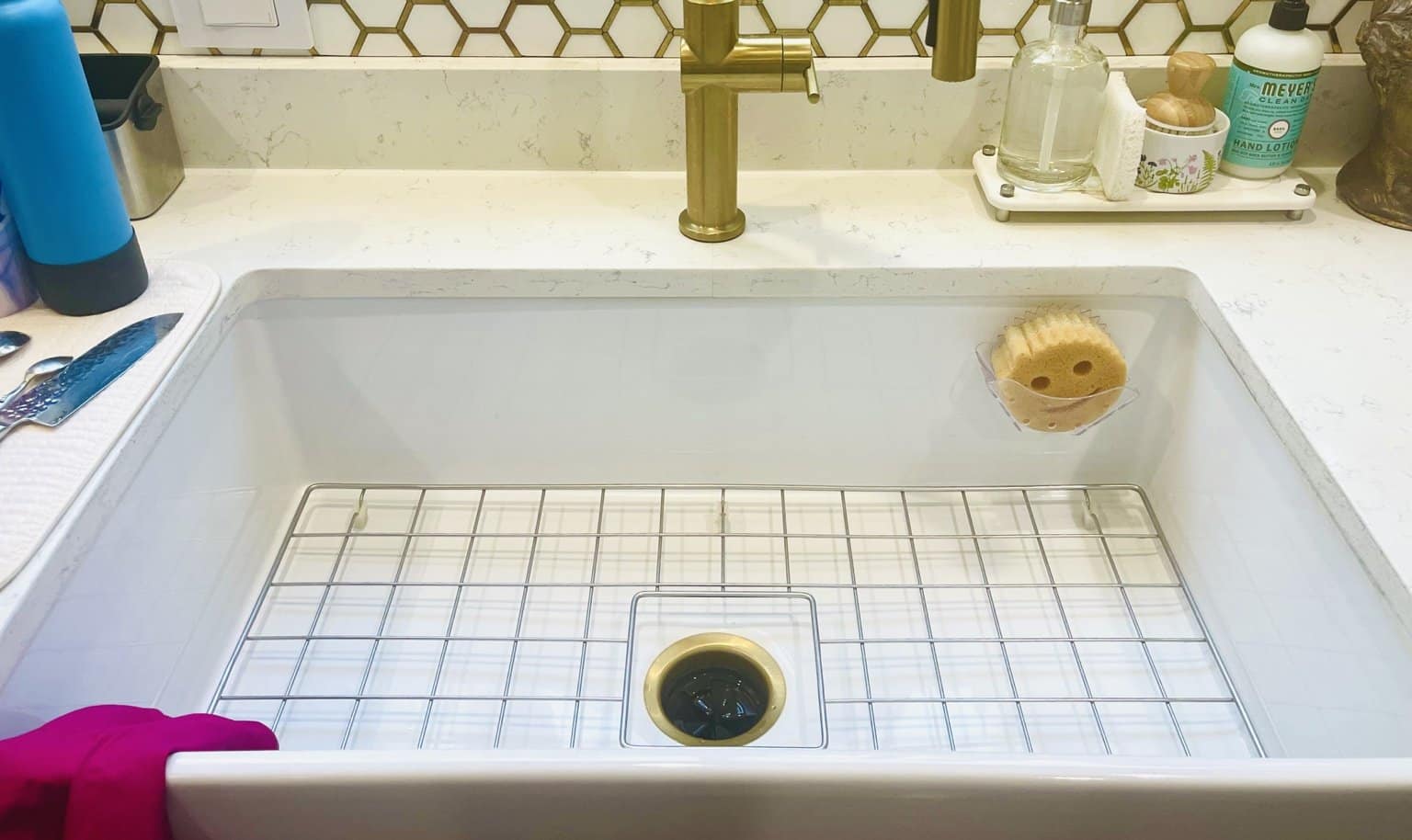
A clogged drain is frustrating, but some simple blockages can be cleared at home without calling a plumber. Below, the team at Bob Oates has assembled some pro tips for dealing with clogged drains.
Before you start, take stock of what’s happening: if several drains are slow or clogged, wastewater is backing up into another fixture, or the problem keeps returning, you may be dealing with a larger drain or sewer line problem.
Watch for warning signs such as:
- Multiple fixtures draining slowly
- Water backing up into another fixture
- A toilet gurgling when a sink or shower drains
- Recurring clogs in the same location
- Sewer odors coming from drains
- Water backing up at a basement or lower-level drain
If it’s just one clogged sink, shower, tub, or toilet, there are a few things you can safely try.
Try a Plunger for a Simple Clog
For a minor clog, start with the simplest tool: a plunger.
Create a good seal around the drain opening and use several firm plunges to move water and pressure through the blockage. Toilets generally work best with a flange-style toilet plunger, while a standard cup plunger can be effective on sinks, tubs, and showers.
If the fixture begins draining normally and stays that way, you may have cleared a simple obstruction.
If it remains slow or quickly clogs again, move on rather than repeatedly forcing the blockage.
Further Reading: Toilet Talk with Bob — Plunging 101
Be Careful With DIY Drain Snaking
A small drain snake can sometimes reach hair, soap buildup, food debris, or another obstruction close to the fixture.
Work slowly and don’t force the cable through resistance. Different pipe materials, drain configurations, and types of blockages require different techniques, and aggressive snaking can potentially damage plumbing without actually clearing the obstruction.
If you can’t reach the clog — or you snake the drain and the problem soon returns — professional drain cleaning equipment may be needed.
Skip Chemical Drain Cleaners
A bottle of chemical drain cleaner may seem like an easy fix, but we recommend leaving it on the shelf.
Many drain cleaner chemicals contain highly corrosive or caustic ingredients that can cause burns, serious eye injuries, and hazardous fumes. They can also be harmful to plumbing and the environment.
And they don’t necessarily clear the entire blockage. A chemical may temporarily open a path through accumulated material while leaving much of the obstruction behind. Whenever possible, we recommend using environmentally friendly methods (see chart below) as a means to clear minor clogs.
Removing Clogs From Drains
| Method | Why It Works |
|---|---|
| Plunger | A safe first response that dislodges many clogs without chemicals. |
| Drain snake / auger | Reaches deep clogs and breaks them apart. Best handled by a professional to avoid damaging pipes. |
| Eco-friendly methods | Baking soda & vinegar, or enzyme-based cleaners, clear minor clogs without the risks of harsh chemicals. |
| Professional plumbing service | Experts use inspection tools and proven techniques to solve tough clogs safely and effectively. |
Multiple or Recurring Clogs May Point to the Sewer Line
One clogged fixture can indicate a localized obstruction. Several clogged or slow drains at the same time are a much stronger indication that the problem is farther downstream in the plumbing system.
The same is true when a clog repeatedly returns after being cleared.
Possible causes include grease and scale buildup, tree roots, damaged or offset pipe joints, foreign objects, a low spot in the line, or another obstruction in the main drain or sewer pipe.
At this point, stop treating individual fixtures and have the line professionally evaluated. A drain or sewer camera inspection can show what’s happening inside the pipe.
Further reading: What Causes Recurring Drain Clogs?
When It’s Time for Professional Drain Cleaning
Call a plumber or drain cleaner when the clog won’t clear with basic DIY methods, repeatedly returns, affects several fixtures, or causes wastewater to back up into the home.
If sewage or wastewater is actively backing up, stop using affected plumbing fixtures. Sending more water into a blocked drainage system can make the backup worse.
At Bob Oates Plumbing, Sewer & Rooter, our team provides professional drain cleaning in Seattle and throughout the Greater Seattle area, along with drain inspections, hydro jetting, rooter service, and sewer repair.

A job well done! One of our techs giving the thumbs up after finishing a bathroom repair.
Help Prevent the Next Clogged Drain
Once everything is flowing again, a few simple habits can reduce future clogs:
- Kitchen: Keep fats, oils, grease, and food scraps out of the drain, and use a sink strainer to catch solids.
- Bathroom: Use drain screens to catch hair before it enters sinks, tubs, and showers.
- Toilets: Flush toilet paper and waste only — keep wipes, paper towels, and hygiene products out.
- Throughout the home: Don’t ignore drains that are gradually getting slower. Addressing buildup early can help prevent a complete blockage.
Further reading: The Importance of Clean Drains
Need Help With a Clogged Drain?
Nobody wants to spend their day dealing with a clogged sink, shower, toilet, or sewer backup. We hope these tips help you safely handle the simple ones yourself.
When the clog is beyond your control, Bob Oates Plumbing, Sewer & Rooter is here 24/7. Our local plumbers and drain cleaning technicians serve homes and businesses throughout Greater Seattle.
Call 206-789-4944(opens in new tab) or fill out our contact form(opens in new tab) when you need help getting things flowing again.


Rated 5 Stars by Johanna G.
via Yelp.com
"Nothing but great experiences with Bob Oates! Would highly recommend for all your sewer and plumbing needs! Honest, hard working company!"

Proud Member of BOMA
CALL (206) 789-4944
Serving the Greater Seattle Area