Is Hydro Jetting A Safe Drain Cleaning Method? Everything Seattle Homeowners Need To Know
CALL (206) 789-4944
Serving the Greater Seattle Area
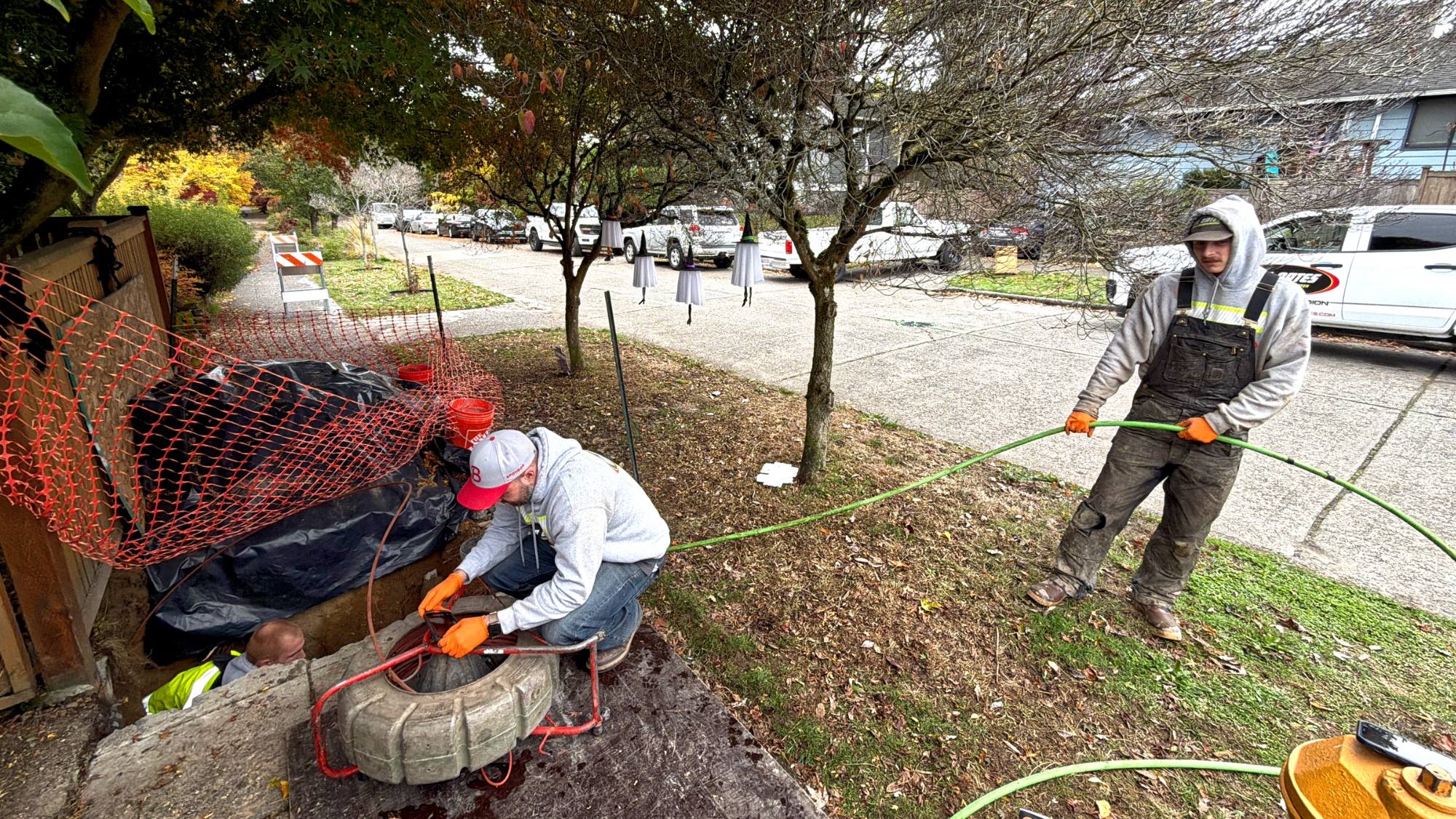
When drains slow down or back up, homeowners often worry that aggressive cleaning methods could damage their plumbing. Hydro jetting, in particular, tends to raise questions because of the pressure involved.
When performed professionally — and for the right type of clog — hydro jetting is one of the safest and most effective drain-cleaning methods available today.
At Bob Oates Plumbing, Sewer & Rooter, hydro jetting is used intentionally and selectively. It’s not a one-size-fits-all solution — it’s a precision tool reserved for heavy buildup, recurring blockages, and situations where cables alone aren’t enough.
This guide explains how hydro jetting actually works, when it’s appropriate, and why inspection always comes first.
How Bob Oates Approaches Drain Cleaning (Not All Clogs Are Equal)
Not every clog requires the same solution. That’s why Bob Oates uses multiple drain-cleaning methods, depending on the severity and cause of the blockage.
Professional Snaking & Power Rodding
For minor to moderate clogs, technicians typically start with professional snaking or power rodding. Using Spartan drain cleaning machines equipped with precision cutting blades, these tools:
- Break through grease, roots, and debris
- Restore flow without damaging pipes
- Work well for localized or first-time clogs
Power rodding, which uses rotating cables and cutting heads, is especially effective for thicker obstructions when jetting isn’t necessary.
Importantly, Bob Oates never uses chemical drain cleaners, which can corrode pipes and cause long-term damage. Every method used is mechanical, environmentally safe, and designed for lasting results.
When Hydro Jetting Becomes the Right Solution
For tough, recurring, or deep-seated clogs, hydro jetting is unmatched.
Hydro jetting uses a controlled, high-pressure stream of water to scour the entire interior of the pipe — top to bottom. Unlike cables, which cut a narrow path through debris, hydro jetting cleans the full diameter of the pipe.
Key advantages include:
- Removal of grease, sludge, mineral scale, and roots
- Ability to clean larger-diameter pipes than cables allow
- Reach of up to 200 feet in a single run
- Thorough flushing that helps prevent future clogs
This makes hydro jetting ideal for sewer mains, heavily used kitchen lines, commercial drains, and older systems with years of buildup.
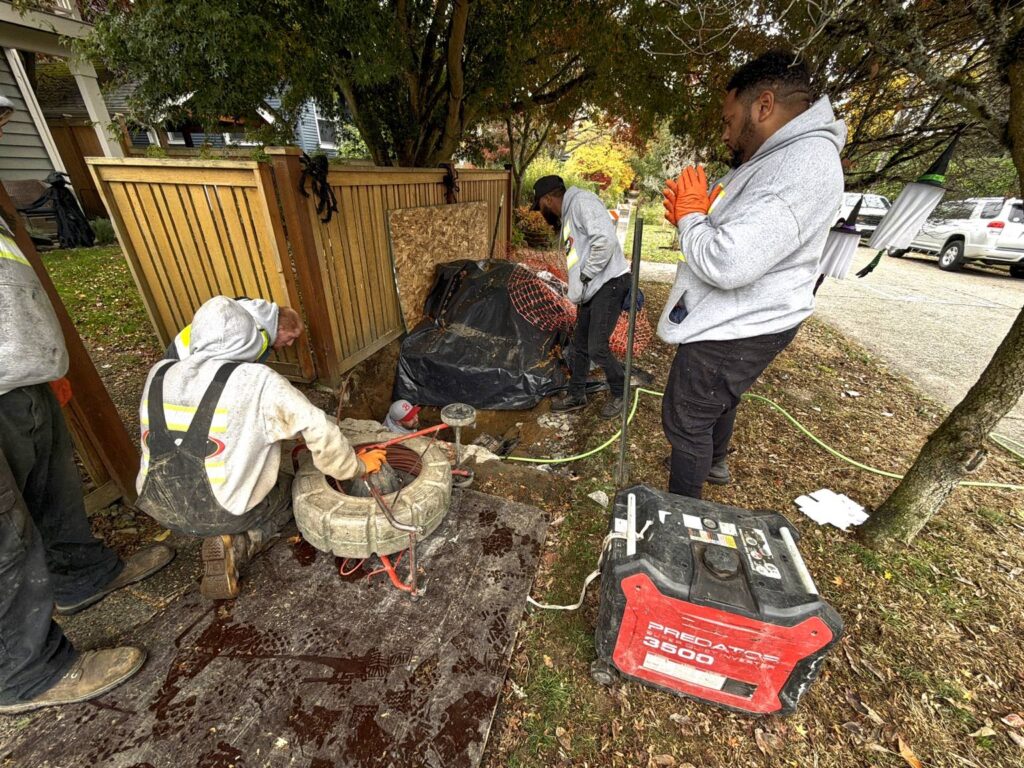
Professional inspection and hydro jetting by the Bob Oates team restored full sewer flow after a another company’s cable obstruction caused a blockage.
What Hydro Jetting Actually Is (And What It Isn’t)
Hydro jetting is a high-pressure water cleaning technique performed using a specialized machine that pumps water through reinforced hoses and precision nozzles. Pressure is adjustable and typically ranges between 1,500 and 4,000 psi, depending on:
- Pipe material
- Pipe diameter
- Pipe condition
- Type of blockage
Rear-facing nozzles propel the hose forward while blasting buildup off pipe walls. Spinning and root-cutting nozzles are used when grease, sludge, or roots are present.
What hydro jetting is not:
- It’s not random blasting
- It’s not “maximum pressure at all times”
- It’s not used on pipes that aren’t structurally sound
Control and assessment are what make the process safe.
Why Camera Inspection Comes First
Before hydro jetting is performed, Bob Oates technicians begin with a video camera inspection. This step is critical for safety and effectiveness.
The inspection allows technicians to:
- Assess pipe condition and structural integrity
- Identify the exact location and type of blockage
- Choose the correct nozzle and pressure level
- Confirm the pipe is suitable for jetting
If a pipe is collapsed, severely corroded, or compromised, hydro jetting may not be appropriate — and a different solution (such as trenchless repair or lining) will be recommended instead.
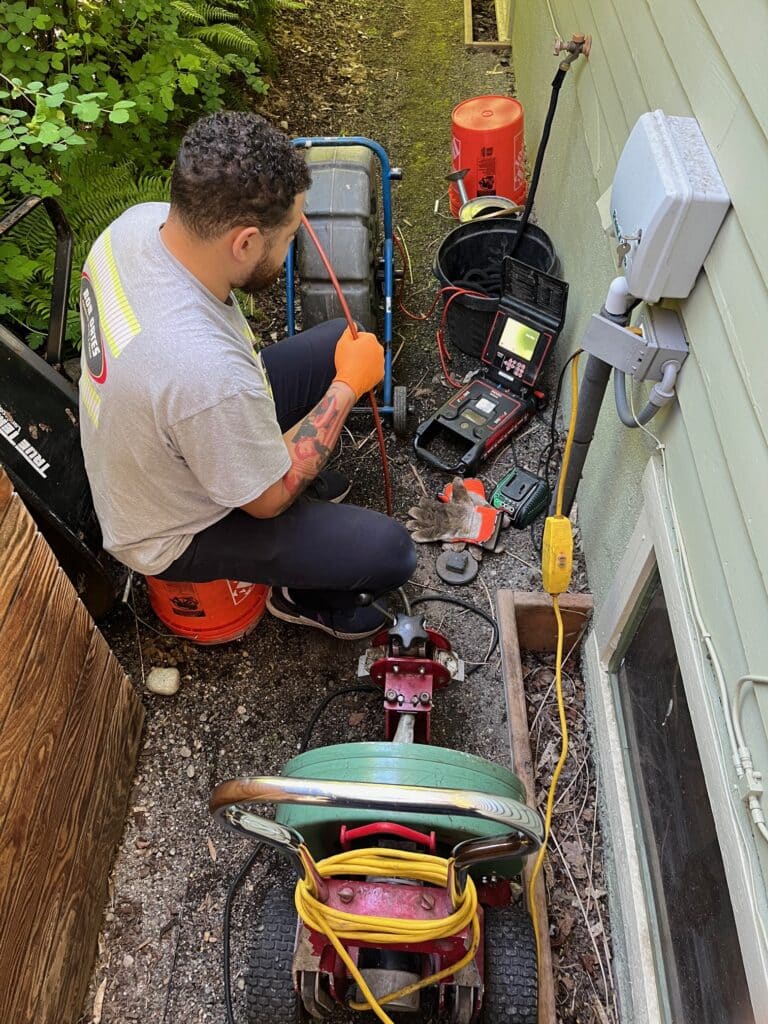
A Bob Oates technician monitors a live sewer camera feed while inspecting underground drain lines.
The Hydro Jetting Process (Step-by-Step)
1. Initial Inspection
A camera is used to evaluate pipe condition and locate buildup, roots, or obstructions.
2. Equipment & Nozzle Selection
The technician selects the appropriate jetting machine, pressure range, and nozzle type based on inspection findings.
3. Cleanout Access & Nozzle Insertion
The jetting hose is inserted through an existing cleanout — no excavation required.
4. High-Pressure Cleaning
Pressurized water removes grease, scale, soap residue, mineral deposits, and roots while flushing debris completely out of the system.
5. Final Verification
A follow-up camera inspection confirms the pipe is clean and flowing properly.
What Types of Pipes Can Be Hydro Jetted?
When properly inspected and calibrated, hydro jetting is safe for most plumbing systems, including:
- PVC
- Cast iron
- Clay
- Concrete
- Steel and resin-lined sewer pipes
The determining factor is pipe condition, not pipe material.
Hydro Jetting vs. Traditional Snaking
This side-by-side contrast helps homeowners understand why hydro jetting delivers longer-lasting results, especially for grease-heavy or recurring drain problems.
| Feature | Hydro Jetting | Traditional Snaking |
|---|---|---|
| Removes full buildup | ✅ Yes | ❌ No |
| Cleans pipe walls | ✅ Yes | ❌ No |
| Long-term results | ✅ Excellent | ⚠ Temporary |
| Risk when done DIY | ❌ Not DIY | ⚠ High |
| Best for grease & scale | ✅ Yes | ❌ No |
Benefits of Hydro Jetting (Beyond Clearing the Clog)
Hydro jetting doesn’t just restore flow — it improves overall system health.
- Key benefits include:
- Improved drainage efficiency
- Reduced risk of recurring clogs
- Chemical-free, eco-friendly cleaning
- No digging or property disruption
- Extended pipe lifespan through buildup removal
By removing biofilm, grease layers, and mineral scale, hydro jetting helps restore near-original pipe capacity and promotes smoother, laminar flow.
When Hydro Jetting Is Recommended
Hydro jetting is especially effective when dealing with:
- Recurring drain or sewer backups
- Multiple slow-moving drains
- Heavy grease or organic waste buildup
- Tree root invasion
- Preventive maintenance for aging systems
In high-use or older plumbing systems, periodic jetting can reduce emergency plumbing calls and delay the need for pipe replacement.
A Powerful Tool — Used the Right Way
While hydro jetting delivers exceptional results, it isn’t appropriate for every plumbing situation.
Pipes that are severely deteriorated, collapsed, or structurally compromised may not tolerate high-pressure cleaning. In these cases, jetting could aggravate existing damage rather than resolve the underlying problem. Additionally, for simple, isolated clogs, hydro jetting may be unnecessary compared to targeted mechanical cleaning.
At Bob Oates, every hydro jetting job begins with inspection and ends with verification. Pressure levels are adjusted carefully, nozzles are chosen based on the type of buildup present, and the system is evaluated in real time throughout the process.
When hydro jetting isn’t the safest or most effective option, our technicians don’t force it — they recommend an alternative solution like trenchless sewer pipe repair that protects your plumbing and your property.
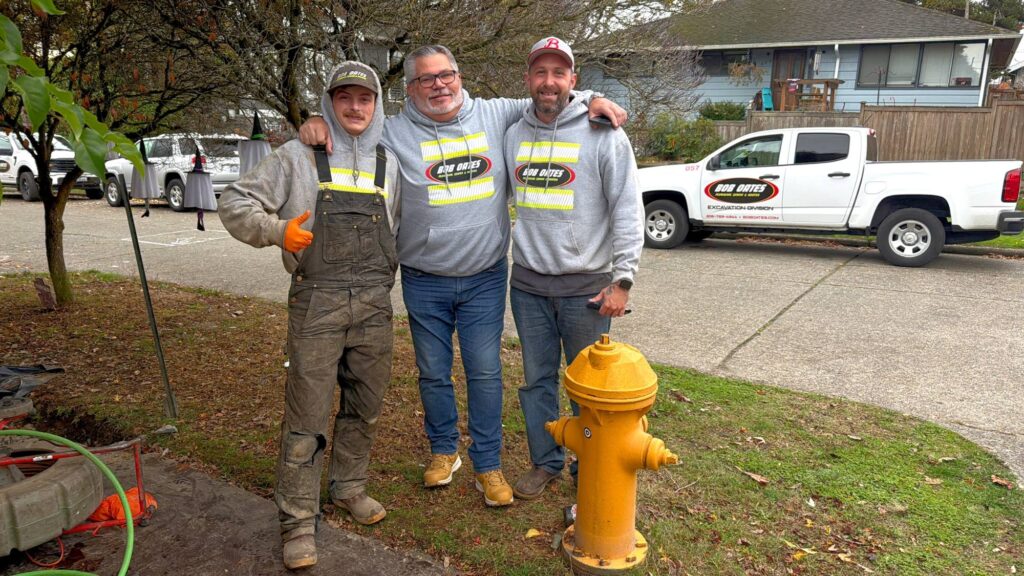
Another job completed successfully by the Bob Oates plumbing and sewer team!
Need Professional Drain or Sewer Cleaning in Greater Seattle?
If slow drains, backups, or recurring clogs are disrupting your home, hydro jetting may be the cleanest, safest solution.
Contact Bob Oates Plumbing, Sewer & Rooter today to schedule a professional drain inspection and find the right solution for your system.
Frequently Asked Questions
Q: Can hydro jetting damage old pipes?
A: Only if performed without inspection. That’s why we always assess pipe condition first.
Q: How long do hydro jetting results last?
A: When buildup is fully removed, results often last years — not weeks.
Q: Is hydro jetting environmentally friendly?
A: Yes. It uses only water — no chemicals or harsh cleaners.
Q: Is hydro jetting better than chemical drain cleaners?
A: Absolutely. Off-the-shelf drain cleaners can damage pipes and harm the environment, while hydro jetting safely removes buildup.


Rated 5 Stars by Johanna G.
via Yelp.com
"Nothing but great experiences with Bob Oates! Would highly recommend for all your sewer and plumbing needs! Honest, hard working company!"

Proud Member of BOMA
CALL (206) 789-4944
Serving the Greater Seattle Area