
Are Plumbing Inspections Important For Homeowners?
CALL (206) 789-4944
Serving the Greater Seattle Area
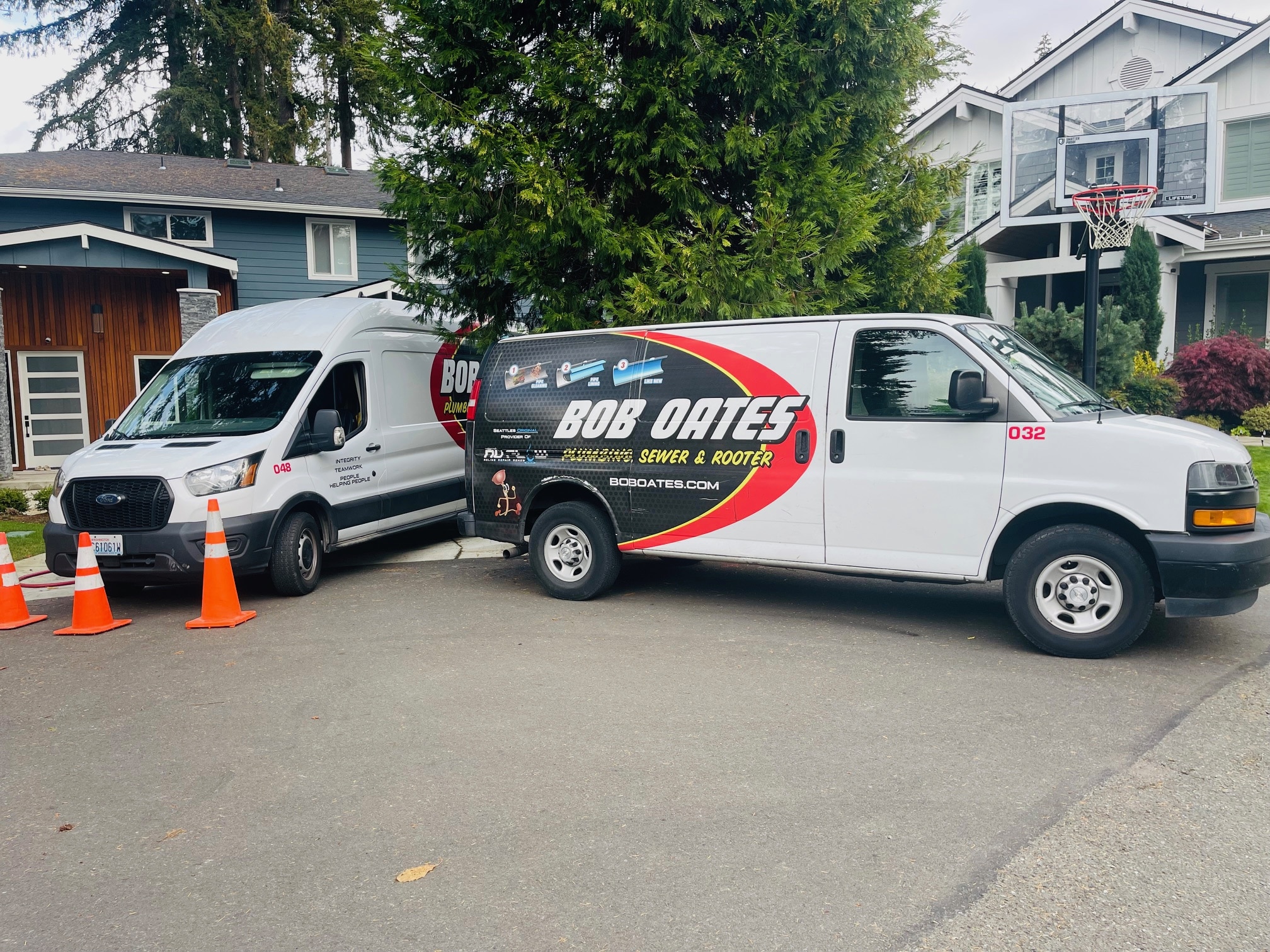
Yes! A professional plumbing inspection is an important part of understanding the condition of your home’s plumbing and catching potential problems before they turn into expensive repairs.
A comprehensive inspection looks beyond faucets and fixtures. At Bob Oates Plumbing, Sewer & Rooter, that means evaluating key components throughout the home — including pipes, toilets, water pressure, water heater connections, supply lines, drains, and the main sewer line.
The sewer portion is especially important because much of the system is underground and can’t be evaluated just by looking around the house. A video camera inspection gives your plumber a clear view inside the sewer line and can reveal roots, cracks, buildup, damaged joints, and other problems that would otherwise remain hidden.
For Seattle homeowners, knowing the condition of the entire plumbing system can be valuable whether you’re maintaining a longtime home, troubleshooting a problem, or preparing to buy a property.
Here’s what a professional plumbing inspection can tell you.
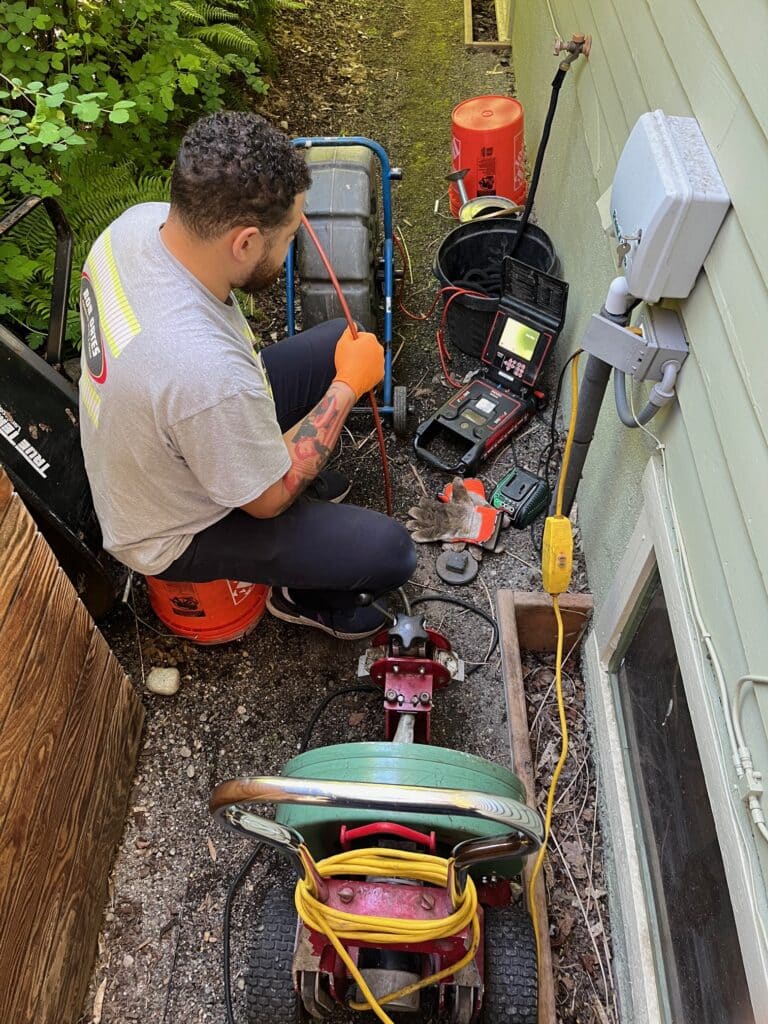
A Bob Oates technician monitors a live sewer camera feed while inspecting underground drain lines.
What Does a Plumbing Inspection Include?
A plumbing inspection is a systematic evaluation of the major components that supply water to your home and carry wastewater away.
The exact condition and configuration will vary from house to house, but a comprehensive inspection can include:
- Exposed water supply and drain piping
- Faucets and plumbing fixtures
- Toilets
- Water pressure
- Water heater and connections
- Washing machine supply lines
- Visible signs of leaks, corrosion, or water damage
- Drain performance
- Main sewer or side sewer condition using a video camera
Together, these checks provide a much more complete picture than simply looking for an active leak or clearing a clogged drain.
The goal is to identify existing problems, spot developing concerns, and give homeowners useful information about the condition of their plumbing.
Check Pipes for Leaks, Corrosion, and Aging Materials
Pipes and fittings can develop problems gradually, making visible plumbing an important starting point for an inspection.
A plumber can look for signs such as:
- Active or previous leakage
- Corrosion around pipes and fittings
- Moisture or staining
- Damaged connections
- Deteriorating pipe materials
- Improper previous repairs
Older Seattle homes can contain plumbing materials installed at different points in the property’s history, so age alone doesn’t determine whether a pipe needs to be repaired or replaced. Its material, present condition, installation, and repair history all matter.
An inspection helps replace assumptions with a clearer assessment of what’s actually there.

Metal sewer pipe 50 mm dia clogged with fats, oils, and grease.
Inspect Drains for Slow Flow and Recurring Clogs
Your drains can provide some of the earliest clues about developing plumbing problems.
A single slow sink or tub may have a localized clog. When multiple drains run slowly, clogs repeatedly return, fixtures gurgle, or water backs up in unexpected places, the problem may be farther down the drainage system.
A professional plumber or drain cleaner can evaluate the symptoms and determine the appropriate next step. Depending on the cause, that might involve drain snaking, hydro jetting, or a camera inspection to see what’s happening inside the line.
Identifying the source is particularly important with recurring clogs. Continually clearing the same blockage won’t correct an underlying pipe or sewer problem if one is causing it to return.
Inspect Toilets for Leaks and Running Water
Toilets are another important part of a whole-home plumbing inspection because relatively small problems can waste water or signal that components need attention.
A worn flapper or malfunctioning fill mechanism can allow water to continually escape from the tank into the bowl. A simple dye test can help reveal whether water is passing from the tank when it shouldn’t.
A plumber can also check for persistent running or refilling, flushing problems, loose fixtures, and signs of leakage around the base.
Many common toilet problems are relatively straightforward to repair when identified early.

A job well done! One of our techs giving the thumbs up after finishing a bathroom repair.
Test Your Home’s Water Pressure
Water pressure affects fixtures, valves, appliance connections, and other components throughout your plumbing system.
Testing it provides an actual pressure reading and helps identify conditions that could place unnecessary stress on the system. Seattle’s plumbing code requires pressure regulation when static water pressure exceeds 80 PSI.
If pressure is unusually high or low, your plumber can investigate the cause and determine whether a pressure regulator or another part of the water supply system needs attention.
Check Washing Machine Supply Lines
Washing machine supply lines spend years holding water under pressure and are often tucked behind the appliance where homeowners rarely see them.
An inspection can identify deterioration, corrosion, bulging, cracking, or other signs of wear around the hoses and their connections. Older rubber supply hoses may also be candidates for replacement with more durable braided supply lines.
It’s a relatively small component of the plumbing system with the potential to cause significant water damage if it fails.
Inspect the Water Heater
A plumbing inspection should also include a look at the water heater and its visible plumbing connections.
The technician can check for signs of leakage, corrosion, deterioration, or installation and safety concerns that warrant further attention.
Rust, moisture around the tank, unusual noises, inconsistent hot water, or visible leakage can all be reasons to investigate further.
For an aging unit, identifying deterioration early also gives homeowners an opportunity to plan for water heater repair or replacement rather than waiting for an unexpected failure.
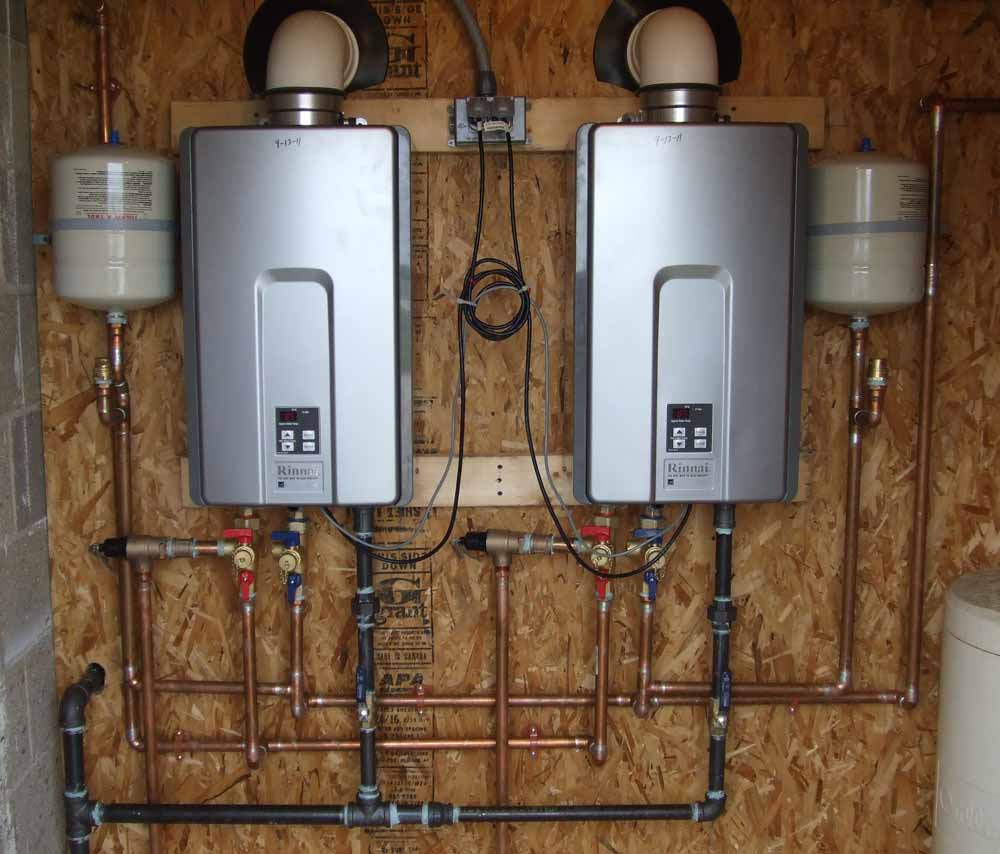
Dual tankless water heater installation by Bob Oates Plumbing, Sewer & Rooter.
Inspect the Main Sewer Line With a Video Camera
The main sewer line is a critical part of a comprehensive plumbing inspection — and one of the few parts of the system that can’t be properly evaluated from above ground.
A sewer camera inspection allows a technician to see directly inside the pipe and identify conditions such as:
- Tree root intrusion
- Cracks or fractures
- Offset pipe joints
- Corrosion or deterioration
- Grease, debris, or heavy buildup
- Bellies or low areas
- Obstructions
- Collapsed or severely damaged sections
The camera can be guided through the sewer line while the technician monitors a live video feed. Locator equipment can also help determine the position and depth of problem areas.
That information is useful for routine preventive maintenance, but it’s especially valuable when a home has recurring drain problems.
Seattle Homeowners Are Responsible for the Side Sewer
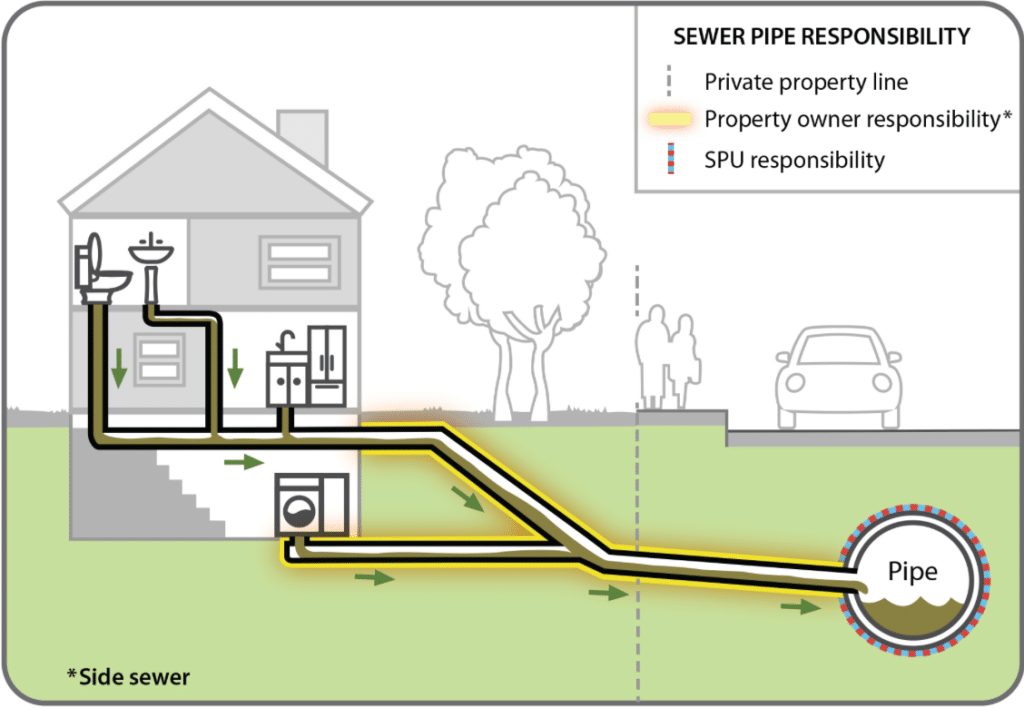
Seattle homeowners are responsible for the entire side sewer line from the home to the city main, including sections beyond the property line. (Graphic courtesy of Seattle Public Utilities.)
This is an important consideration for Seattle property owners because your responsibility doesn’t necessarily end at the edge of your yard.
Seattle Public Utilities states that property owners are responsible for maintaining their side sewer all the way to its connection with the public sewer main. SPU also recommends having the line inspected with a video camera, including before purchasing a property.
A sewer camera inspection provides visibility into that otherwise hidden portion of your plumbing system.
If a problem is discovered, the findings can help determine the appropriate next step — whether that’s drain or sewer cleaning, a localized sewer line repair, pipe lining, another trenchless repair method, or sewer line replacement.

A sewer line failure is often visible as a lush green stripe cutting through an otherwise brown yard.
Plumbing Inspections Are Especially Valuable When Buying a Home
A professional plumbing inspection can give homebuyers additional information about systems that may otherwise be difficult to evaluate before closing.
That’s particularly important for prospective homebuyers considering buying an older Seattle home.
An inspection can take a closer look at:
- Older supply and drain piping
- Water pressure
- Toilets and fixtures
- Water heater condition
- Signs of previous leaks
- Drain performance
- The underground side sewer
The sewer scope deserves particular attention. We mentioned above already, but it bears repeating: Seattle Public Utilities recommends having the side sewer inspected before purchasing a property.
Finding a damaged sewer line, recurring drainage issue, deteriorating pipe, or other plumbing concern before closing gives a buyer information they can use while there’s still time to investigate the condition and understand what may be involved in correcting it.
Bob Oates Techs Performing a Sewer Camera Inspection
When Should You Schedule a Plumbing Inspection?
The right timing depends on the age and condition of the home, its plumbing materials, and its history.
A newer home with modern plumbing and no known problems may have very different needs from an older Seattle property with mature trees, aging pipes, or a history of drain and sewer issues.
A plumbing inspection is worth considering when:
- You’re buying or selling a home
- You don’t know the age or condition of the plumbing
- You’ve noticed unexplained increases in water usage
- Drains repeatedly clog or run slowly
- Toilets frequently run or have flushing problems
- You’ve noticed moisture, staining, or signs of leakage
- Water pressure seems unusually high or low
- Your water heater is getting older
- You’ve experienced a sewer or drain backup
- It’s been years since the plumbing system was professionally evaluated
Preventive inspections provide something especially useful: information before you’re forced to make a decision during an emergency.
One Inspection Can Reveal Problems Throughout Your Plumbing System
Your home’s plumbing is interconnected.
A slow drain may be caused by a localized blockage. Several slow drains could point toward a problem farther downstream. A recurring toilet backup could lead to an inspection of the main line. Water appearing where it shouldn’t could involve a fixture, supply pipe, water main line, or drainage system.
A comprehensive plumbing inspection allows the Bob Oates team to evaluate the system, identify concerns, and explain what the findings mean. If additional work is needed, those findings can guide the next step rather than relying on guesswork.
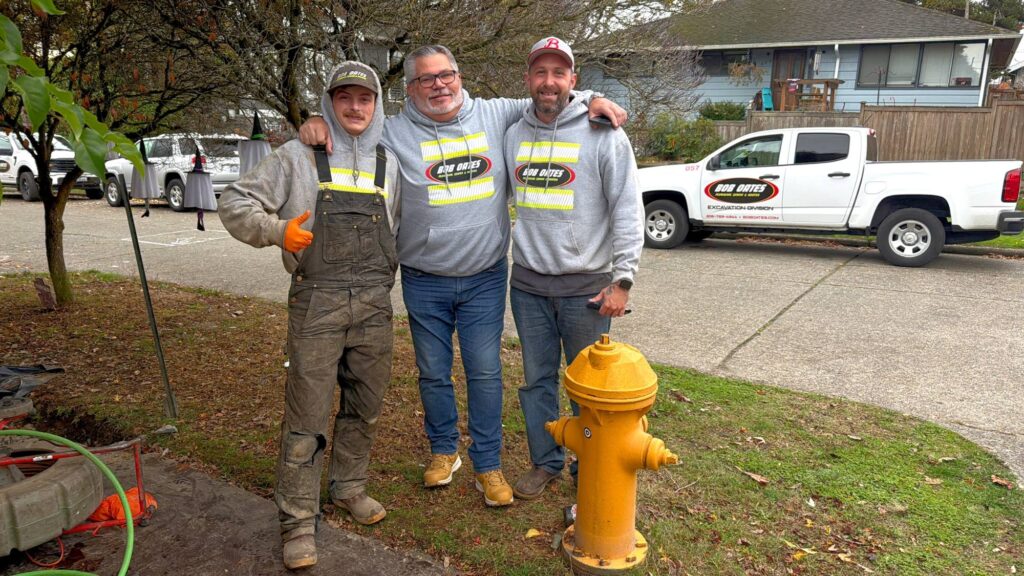
Another job completed successfully by the Bob Oates plumbing and sewer team.
Schedule a Plumbing Inspection With a Seattle Plumber
Plumbing inspections are important because they give homeowners a clearer picture of the systems they depend on every day — including the parts they can’t see.
From visible pipes, fixtures, toilets, water pressure, and water heaters to drains and the underground sewer line, a comprehensive inspection can identify current problems and help uncover developing issues before they become larger ones.
Bob Oates Plumbing, Sewer & Rooter has served homeowners and businesses throughout Greater Seattle for more than 35 years. Our locally dispatched crews handle plumbing repairs, drain cleaning, sewer camera inspections, sewer line repair, trenchless solutions, water heaters, water mains, and 24/7 emergency plumbing.
If you’re looking for a Seattle plumber to inspect your home’s plumbing or investigate a specific concern, call 206-789-4944 or fill out our online contact form to schedule service.


Rated 5 Stars by Johanna G.
via Yelp.com
"Nothing but great experiences with Bob Oates! Would highly recommend for all your sewer and plumbing needs! Honest, hard working company!"

Proud Member of BOMA
CALL (206) 789-4944
Serving the Greater Seattle Area