
Common Drain Issues You Can Avoid

CALL (206) 789-4944
Serving the Greater Seattle Area
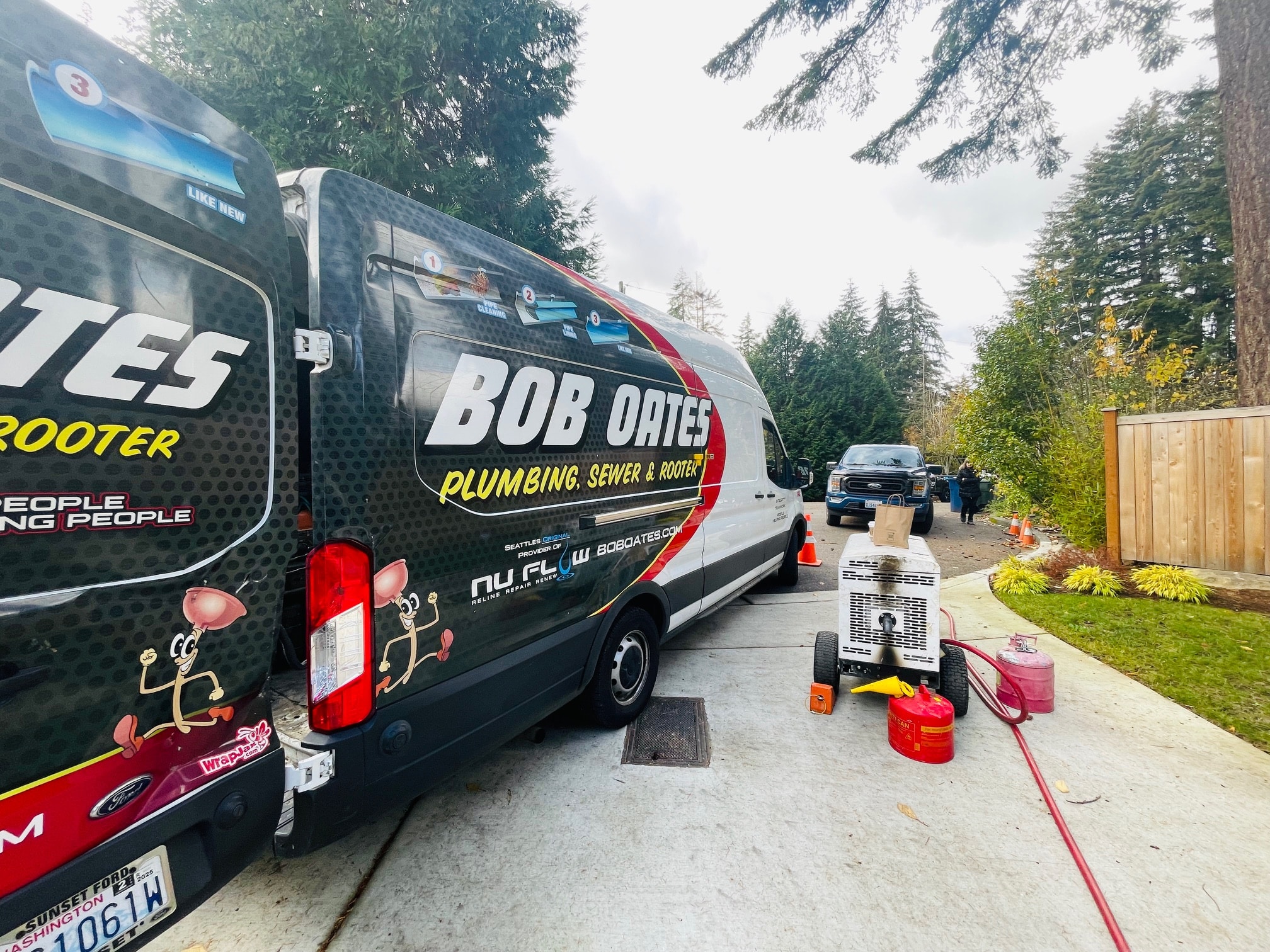
Most drain problems develop gradually. Grease, soap residue, hair, food particles, and other debris accumulate inside pipes over time, restricting water flow and eventually creating blockages.
The good news is that many common drain issues are preventable. A few practical habits, along with timely maintenance and professional drain cleaning when needed, can help keep your plumbing working properly and reduce the risk of inconvenient backups.
At Bob Oates Plumbing, Sewer & Rooter, we help Seattle-area homeowners and businesses resolve drainage problems every day. Here are five common issues to watch for, along with steps you can take to prevent them.
1. Slow Drains
A sink, shower, or bathtub that takes longer than usual to empty often signals buildup inside the drainpipe.
In bathrooms, hair and soap residue are frequent contributors. Kitchen drains commonly accumulate grease, cooking oils, and food particles that gradually narrow the passage available for wastewater.
How to prevent slow drains:
- Install drain screens to catch hair and debris.
- Scrape food scraps into the trash before washing dishes.
- Keep grease, fats, and cooking oils out of kitchen drains.
- Clean accessible drain stoppers regularly to remove accumulated hair and residue.
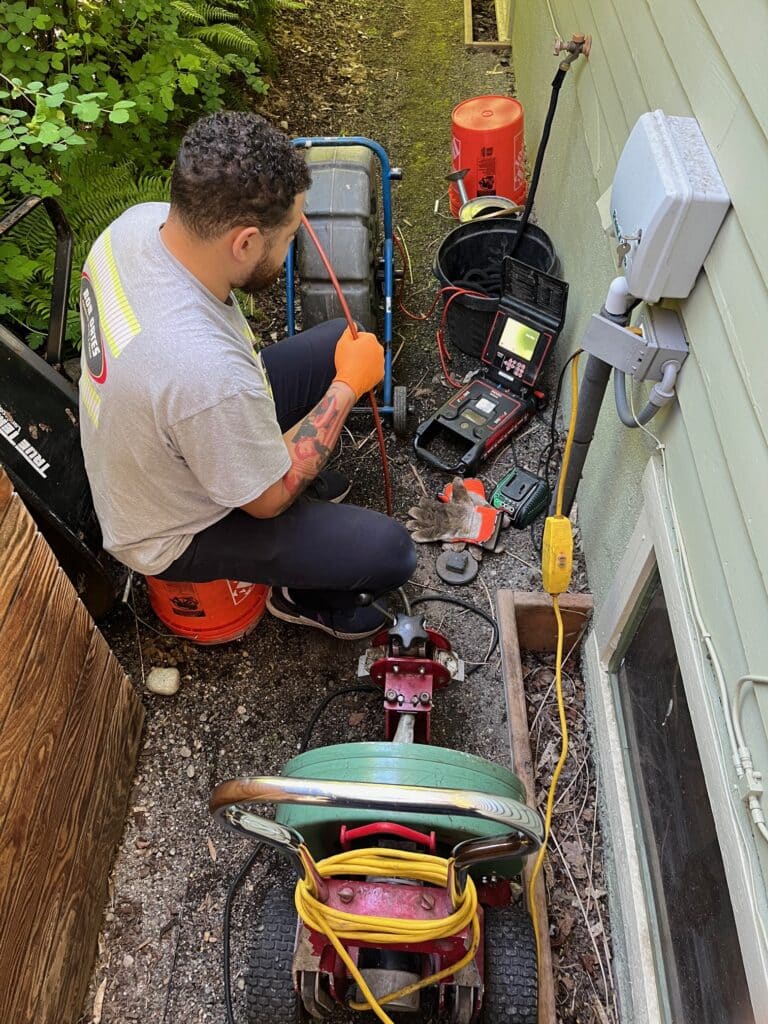
A Bob Oates technician monitors a live sewer camera feed while inspecting underground drain lines.
2. Recurring Drain Clogs
An occasional clog may result from a localized obstruction, but drains that repeatedly become blocked deserve closer attention.
Recurring clogs often indicate that debris remains inside the pipe after an initial clearing. In other cases, grease accumulation, tree root intrusion, damaged pipes, or improper drainage conditions may be contributing to the problem.
Repeatedly clearing the same drain without identifying the underlying cause can lead to ongoing frustration and unnecessary expense.
How to prevent recurring clogs:
Be mindful of what enters your drains. Avoid flushing wipes, paper towels, feminine hygiene products, and other materials that belong in the trash, even when packaging describes them as flushable.
Address slow drainage before a complete blockage develops. If the same drain repeatedly clogs, a professional inspection can help determine whether buildup, pipe damage, or another condition requires attention.
3. Sewer Backups
Sewer backups are among the most disruptive plumbing problems a property owner can experience. When wastewater cannot move freely through the sewer line, it may back up into toilets, showers, floor drains, or other fixtures.
Common causes include heavy debris accumulation, tree roots, damaged sewer pipes, and obstructions within the main sewer line.
Warning signs may include multiple fixtures draining slowly, toilets gurgling, or wastewater appearing in a lower-level drain when another fixture is used.
How to reduce the risk of sewer backups:
Pay attention to drainage problems affecting more than one fixture. These symptoms may indicate a restriction farther down the system rather than an isolated clog.
For properties with recurring sewer issues, a sewer camera inspection helps identify roots, buildup, damaged sections, or other conditions affecting wastewater flow.
Depending on the findings, professional cleaning, hydro jetting, or targeted sewer repairs may be recommended.
Early attention can help prevent a developing obstruction from becoming a major plumbing emergency.
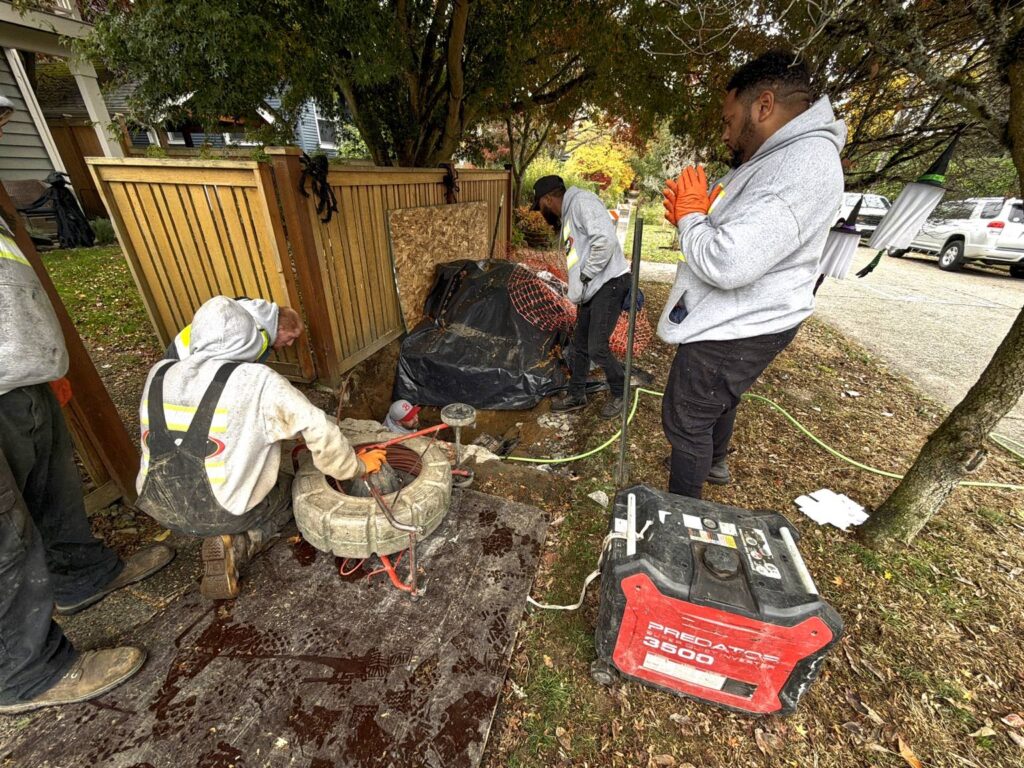
Professional inspection and hydro jetting by the Bob Oates team restored full sewer flow after another company’s cable obstruction caused a blockage.
4. Unpleasant Drain Odors
Persistent odors coming from a sink, shower, or floor drain can make an otherwise clean room unpleasant.
Food debris, grease, and organic material trapped inside drainpipes can produce odors as they decompose. In some cases, an infrequently used drain may develop an odor because water has evaporated from its P-trap, allowing sewer gases to enter the room.
How to prevent drain odors:
Keep food waste and grease out of kitchen drains, remove debris from bathroom drain stoppers, and run water periodically through fixtures that receive little use.
If odors persist after basic cleaning and maintenance, a professional plumber can investigate the source.
A persistent sewer smell may indicate a dry trap, venting issue, damaged connection, or another plumbing problem that needs correction.
5. Drain Damage From Improper Cleaning
When a drain becomes clogged, reaching for a chemical drain cleaner may seem like a convenient solution.
However, harsh chemical products can create safety hazards, particularly when used repeatedly or mixed with other cleaning agents. They may also damage certain plumbing materials under some conditions.
Even when drain cleaner chemicals temporarily improves drainage, they may leave the underlying obstruction in place.
How to protect your drains:
Start with simple, appropriate methods for minor clogs, such as removing debris from a drain stopper or using a plunger designed for the fixture.
Avoid combining drain-cleaning chemicals or repeatedly applying products when the blockage remains.
For stubborn or recurring obstructions, professional drain cleaning services provide a more reliable way to address the problem without unnecessary chemical exposure.
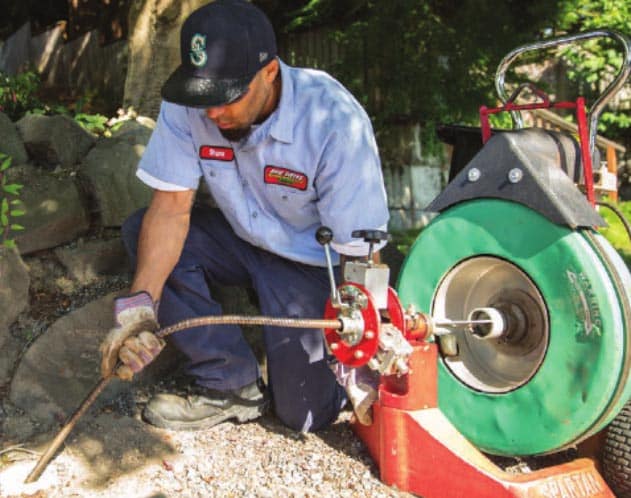
Professional drain snaking by a Bob Oates technician to help clear a clogged line.
Keep Your Drains Flowing With Preventive Maintenance
Good drainage habits make a difference. Keeping grease, hair, food scraps, wipes, and other debris out of your plumbing helps reduce buildup and prevent many common clogs.
It’s equally important to recognize when a drainage problem needs professional attention.
Persistent slow drains, recurring blockages, unpleasant odors, and backups affecting multiple fixtures may indicate conditions that routine household maintenance cannot resolve.
At Bob Oates Plumbing, Sewer & Rooter, our experienced technicians serve residential and commercial clients across communities throughout King, Snohomish, and Pierce Counties.
- Ballard(opens in new tab)
- Bellevue(opens in new tab)
- Federal Way(opens in new tab)
- Fremont(opens in new tab)
- Greenwood(opens in new tab)
- Kent(opens in new tab)
- Lynnwood(opens in new tab)
- Magnolia(opens in new tab)
- Maple Leaf(opens in new tab)
- Phinney Ridge / Green Lake(opens in new tab)
- Queen Anne(opens in new tab)
- Renton(opens in new tab)
- Seattle(opens in new tab)
- Shoreline(opens in new tab)
- Tacoma(opens in new tab)
- Wallingford(opens in new tab)
- West Seattle
We’ll help identify the source of your drainage problem, explain the available solutions, and recommend the right approach for your property.
Need help with a slow or clogged drain? Call Bob Oates today to schedule a free estimate.
Further Reading


Rated 5 Stars by Johanna G.
via Yelp.com
"Nothing but great experiences with Bob Oates! Would highly recommend for all your sewer and plumbing needs! Honest, hard working company!"

Proud Member of BOMA
CALL (206) 789-4944
Serving the Greater Seattle Area